
Stronger, coherent and gender responsive policies needed to reintegrate those returning from violent extremism
Add us as your preferred source on Google to see more of our content in Search.
 Add to Preferred Sources
There is an even wider chasm between on-the-ground realities and global policies, where the fate of women and children is concerned. Programming must help them earn livelihoods, which can prevent them from being pressured into joining or rejoining extremist groups.
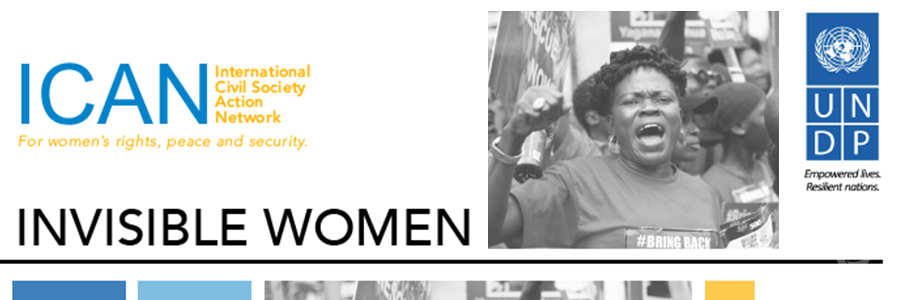
These are the findings of the joint United Nations Development Programme (UNDP) and International Civil Society Action Network (ICAN) report – ‘Invisible Women: Gendered Dimensions of Return, Reintegration, and Rehabilitation’, launched in Oslo, Norway today.
The report underscores the need for consistent policies or laws pertaining to the treatment of returnees associated with terrorist and violent extremist groups—especially in the case of women and children, which most countries lack. There is an even wider chasm between on-the-ground realities and global policies, where the fate of women and children is concerned.
The ratio of women to men returning to their countries of origin varies significantly by country—and in many cases women are not returning because they are unable to attain citizenship status and custody of children born during their time in Syria, Iraq, or elsewhere.
Governments must address the misogyny, injustice and deficit in dignity that women experience in their own societies. Otherwise, there is a continued risk of women being drawn to the messages of violent extremist groups.
“Women in communities are pioneering the most effective work on preventing violent extremism. We should be heeding their advice and supporting them,” stated Sarah Lister, UNDP’s Director for Oslo Governance Centre. Speakers at the launch event reinforced that the invisibility of women breeds impunity against them, and that independent civil society is an essential pillar of prevention.
Read and download the report: Invisible Women: Gendered Dimensions of Return, Reintegration and Rehabilitation
Original source: UNDP
Published on 11 January 2019