
Add us as your preferred source on Google to see more of our content in Search.
 Add to Preferred Sources
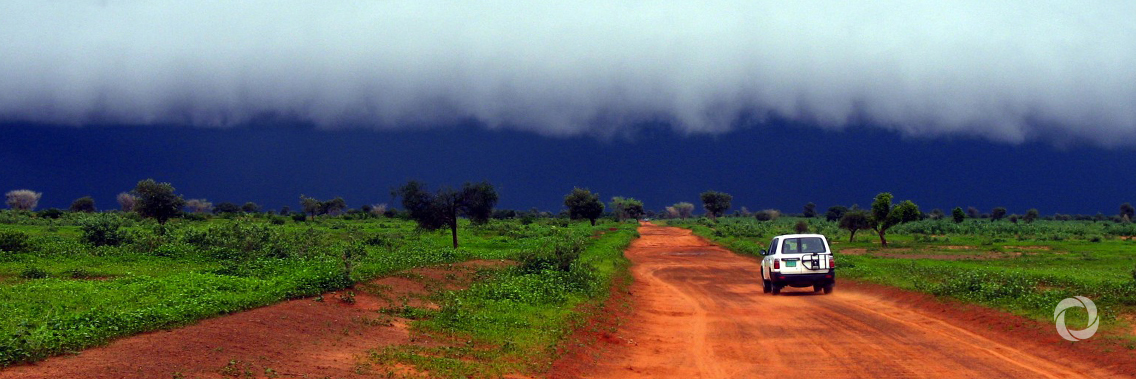
British research has found that mega storms are three times more common than they were 35 years ago due to climate change.
UK aid, from DFID, is driving British-led analysis from the UK Centre for Ecology & Hydrology in Oxfordshire and other global experts to track these storms, how powerful they are becoming, and why they are occurring more regularly.
This analysis is being used to identify the most vulnerable areas of Burkina Faso and Senegal that are likely to be hit by mega-storms.
City planners and response units are using this information to design early warning systems and storm-resistant infrastructure to protect homes, schools, hospitals, and roads – allowing swift emergency responses to prevent loss of life and extensive destruction.
DFID is also supporting 700,000 people in Burkina Faso living in areas where these extreme storms are so dangerously common, sending warnings and updates via text message and advising farmers on how to protect their crops. Similar approaches are also being used in Senegal.
“Unpredictable and devastating weather threatens the lives of some of the world’s most vulnerable people. UK aid is working with British scientists so that we can prevent and react to natural disasters with an agility that saves lives and livelihoods. For every £1 UK aid invests in preventing natural disasters, we can save more than £3 by avoiding the impacts of these extreme weather events,” said International Development Secretary, Penny Mordaunt.
Changing global climates represent a real and serious challenge to some of the world’s poorest people. DFID is taking a leading role in responding to extreme changes in weather – supporting 47 million people globally since 2011 to cope with the effects of climate change.
Original source: DFID
Published on 22 January 2019