
Food retail stores in Portugal become more environmentally friendly with the support of EIB financing
Add us as your preferred source on Google to see more of our content in Search.
 Add to Preferred Sources
The European Investment Bank (EIB) has signed a EUR 55 million loan with SONAE MC to finance the company’s investments aimed at reducing the environmental impact of its food retail business.
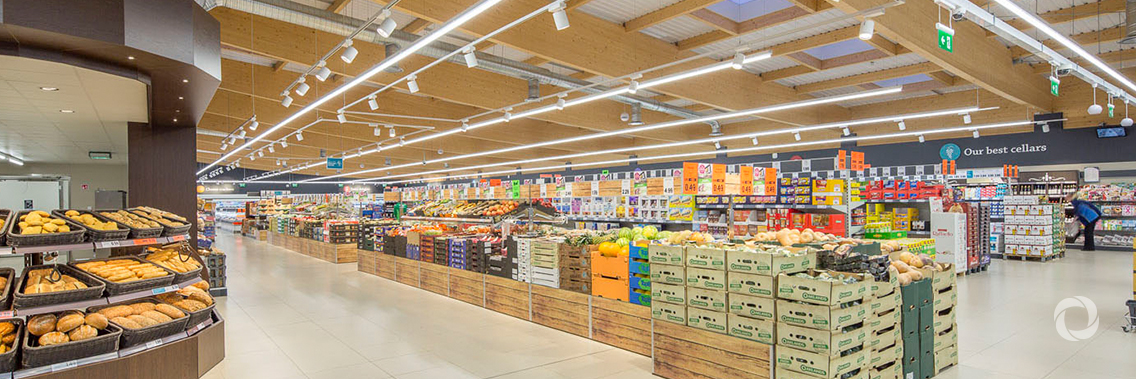
With the support of this agreement, SONAE MC – the market leader in grocery retailing in Portugal will install new technologies that will enhance its environmental sustainability. The EIB loan will contribute to the renovation of the stores’ technical systems through the introduction of more efficient energy equipment, new electricity generation, and waste management technologies.
This EIB financing was made possible by the support of the European Fund for Strategic Investments (EFSI). EFSI is the central pillar of the Investment Plan for Europe, known as the “Juncker Plan” and enables the EIB Group to expand its capacity for financing investment projects with the high added value that – as is the case in this agreement – promote efficient use of resources, social and territorial cohesion and job creation.
At the signing ceremony in Matosinhos, EIB Vice-President Emma Navarro stressed that “This project is a very good example of our priorities in Portugal: investing in innovation to support climate action and foster cohesion, employment and economic growth. The agreement signed today will have a strong positive environmental impact and make an important contribution to combating climate change by reducing energy consumption and enabling the use of renewables.”
The modernisation of SONAE MC’s food retail stores will enable the reduction of electricity consumption by 10% through the installation of more efficient equipment and energy monitoring and management technologies. Refrigeration systems will be renovated, contributing to the efficient use of energy and reducing the environmental impact of greenhouse gases. Water consumption will also decrease thanks to the installation of new water management systems. In addition, stores will meet around 8% of their electricity needs by using renewable energy sources. Waste-related investments will make it possible to recycle and recover up to 24% of total food waste generated. The project will contribute to the development of the electric vehicles (EV) market through the installation of around 680 EV charging points in the parking areas of the stores, improving the customer experience for more environmentally aware clients. The amount of eligible investment in this project is EUR 110 million, to be spread between July 2018 and June 2022.
Original source: EIB
Published on 22 January 2019