
Add us as your preferred source on Google to see more of our content in Search.
 Add to Preferred Sources
In response to the growing health needs of people in north-east Syria, the World Health Organization (WHO) has airlifted urgent medical supplies to the region, for the second time this month.
“Hundreds of thousands of Syrians in the northeast are in desperate need of health care services”, Elizabeth Hoff, WHO Representative in Syria said.
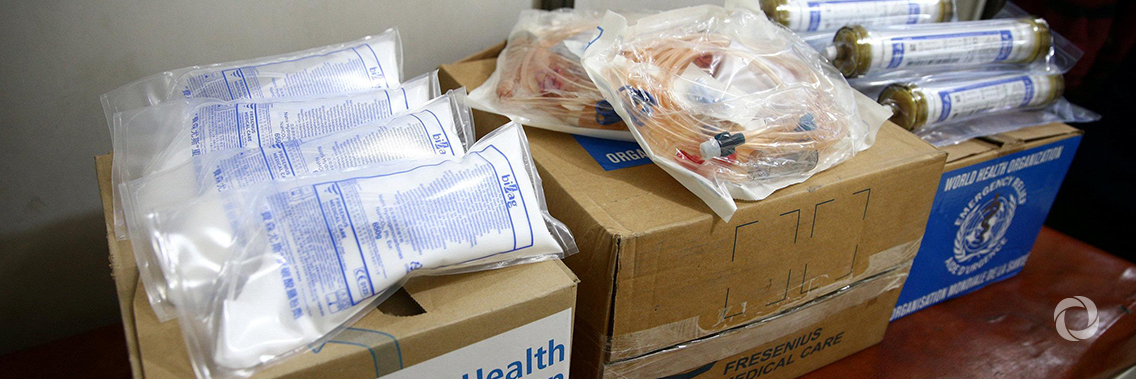
Targeting the Al-Hasakeh governorate, the UN health agency provided more than 28 tonnes of life-saving medical supplies, equipment and vaccines, amounting to around 106,000 individual medical treatments. These include antibiotics, intravenous fluids, anti-asthma and chronic disease medicines.
Among other items, WHO also sent incubators, ventilators, electricity generators, haemodialysis machines for kidney treatment, defibrillators and anaesthesia equipment.
To bolster childhood vaccination efforts, the airlift contained 140,000 vaccines against polio, tuberculosis, tetanus, hepatitis, and MMR vaccines for treating measles, mumps, and rubella.
“In addition to strengthening hospitals and health care centres, we are focusing on supporting the vaccination of children in north-east Syria, where vaccination coverage rates remain critically low”, Ms. Hoff explained.
The medical aid will be distributed to hospitals and primary health care centers in the three north-eastern governorates of Al-Hasakeh, Ar-Raqqa and Deir-ez-Zor.
“The health system in all three governorates has been badly disrupted, and the situation is compounded by the high numbers of internally displaced people living in dire conditions in camps and settlements”, she underscored.
The first shipment, on 8 January, contained 20 tonnes of essential medical provisions.
Since March 2011, Syria has been in the throes of a conflict that has forced more than half of the population to leave their homes. According to the UN humanitarian wing, OCHA, an estimated five million Syrians have fled the country while more than six million others are internally displaced. The crisis has left more than 13 million people in need of assistance.
Contributions from the Government of Norway, Government of Japan, UK Aid and the United States Agency for International Development (USAID) supported the airlifts.
Original source: UN News
Published on 23 January 2019