
Add us as your preferred source on Google to see more of our content in Search.
 Add to Preferred Sources
Education is a fundamental human right of every woman, man and child. However, millions are still deprived of educational opportunities every day, many as a result of social, cultural and economic factors.
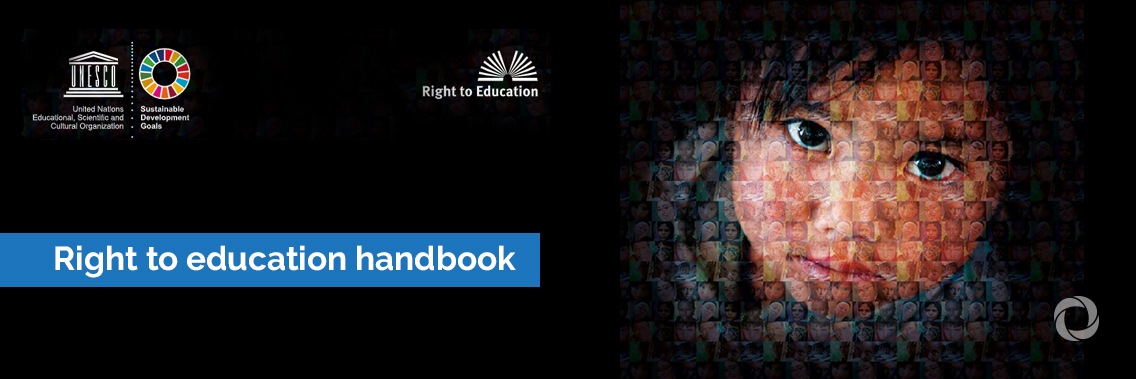
UNESCO and the Right to Education Initiative (RTE) recently released the Right to education handbook, a key tool for those seeking to understand and advance that right. It is also an important reference for people working towards achieving Sustainable Development Goal 4 by offering guidance on how to leverage legal commitment to the right to education.
The aim of this handbook is to make sure that everyone enjoys their right to education. Its objective is not to present the right to education as an abstract, conceptual, or purely legal concept, but rather to be action-oriented. It provides practical guidance on how to implement and monitor the right to education along with recommendations to overcome persistent barriers. It seeks to do this by:
- Increasing awareness and knowledge of the right to education.
- Providing a summary of current debates and issues regarding education and what human rights law says about them.
- Providing an overview of the UN landscape and its mechanisms.
The handbook was developed to assist all stakeholders who have a crucial role to play in the promotion and implementation of the right to education. How to use this handbook?
For more than 70 years, UNESCO has been defending and advancing the right to education, which lies at the heart of its mandate. It recently ran a digital campaign on the #RightToEducation to mark the 70th anniversary of the Universal Declaration of Human Rights.
Original source: UNESCO
Published on 05 February 2019