
Add us as your preferred source on Google to see more of our content in Search.
 Add to Preferred Sources
Former President Nicolas Maduro’s systematic economic mismanagement, corruption, and violent oppression have caused severe shortages of food and medicine and needless human suffering, resulting in an exodus of millions of Venezuelans to neighboring countries.
The spiraling effects of this political and man-made economic crisis have dire humanitarian consequences. In what was once the richest country in Latin America, hyperinflation is estimated to have reached 1.37 million percent in 2018, according to the International Monetary Fund. Approximately one month of food for a family costs more than 100 times the monthly minimum wage. As a result, many Venezuelans cannot eat every day.
Crumbling infrastructure has disrupted water and sanitation services, and a collapsing health system has prompted outbreaks of previously eradicated diseases, such as measles, that have spread to neighboring countries:
Nearly 90 percent of Venezuelan hospitals surveyed reported medicine shortages, and nearly 70 percent reported regular power and water outages.
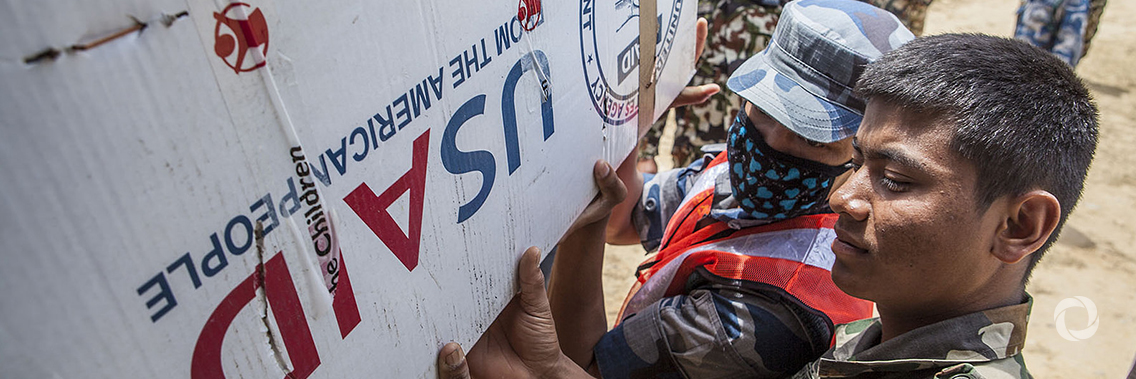
Since Fiscal Year 2017, the United States has provided more than $140 million, including nearly $97 million in humanitarian assistance and approximately $44 million in development assistance, to support the generous efforts of countries hosting Venezuelans who have fled the chaos in their homeland.
U.S. assistance includes support for Venezuelans in 17 countries in the region, including Brazil, Colombia, Costa Rica, Ecuador, Guyana, Mexico, Panama, Peru, and Trinidad and Tobago. In particular, the United States funds United Nations agencies and non-governmental organizations to provide life-saving assistance, such as food, health care, protection, and shelter, to Venezuelans and host communities in the region.
The United States will continue to scale up humanitarian assistance in the region to meet evolving needs and reduce the impact of the crisis on Venezuelans and host countries.
Original source: USAID
Published on 06 February 2019