
Add us as your preferred source on Google to see more of our content in Search.
 Add to Preferred Sources
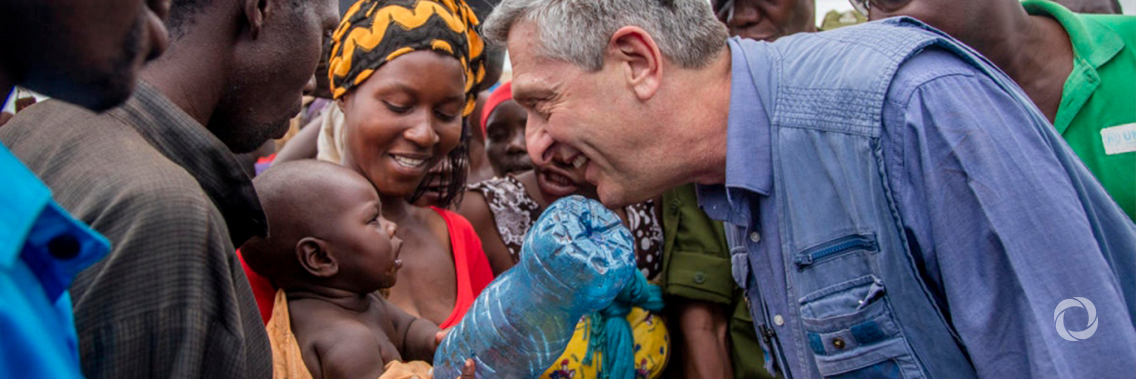
The UN High Commissioner for Refugees, Filippo Grandi ended his four-day visit to Tanzania with a call for greater investment in north-west regions where some 330,000 refugees are hosted, including for priorities such as environmental protection and economic development. Citing Tanzania as “one of the most important refugee asylum countries in Africa.”
In his meeting with President John Joseph Magufuli, Mr. Grandi commended Tanzania for its long tradition of welcoming refugees fleeing conflict and persecution in neighboring countries, including naturalizing 162,000 Burundian refugees from 1972. Citing Tanzania’s hospitality over the decades to people in need of refuge, he said that the country and the people deserve greater international recognition. He pledged to mobilize more support for humanitarian efforts and also for host community development, enhanced camp security and environmental projects, such as energy sources that provide an alternative to firewood. They discussed the idea of establishing a regional framework to work on improving lives and finding solutions for the Burundian and Congolese refugees.
Mr. Grandi noted that a sustainable refugee return happens when refugees feel confident it is safe to go back home and receive the necessary support to do so. In the last two years, 57,865 refugees from Burundi have been assisted to voluntarily return from Tanzania. However, some refugees report that perceived pressure from government officials coupled with restrictions on freedom of movement and access to livelihood opportunities has influenced their decision to return.
Mr. Grandi noted in his meetings that UNHCR is prepared to work with the government to assist all those who indicate a desire to go home but that, in his experience, some restrictions can be counterproductive and that it is when refugees are convinced that conditions are safe in their home countries that they will choose to return voluntarily.
Seventy-four percent of Tanzania’s refugees and asylum seekers are from Burundi, and the other 26 percent are from the DRC. The vast majority live in camps close to the border areas, and many have been there for decades.
Original source: UNHCR
Published on 08 February 2019