
Add us as your preferred source on Google to see more of our content in Search.
 Add to Preferred Sources
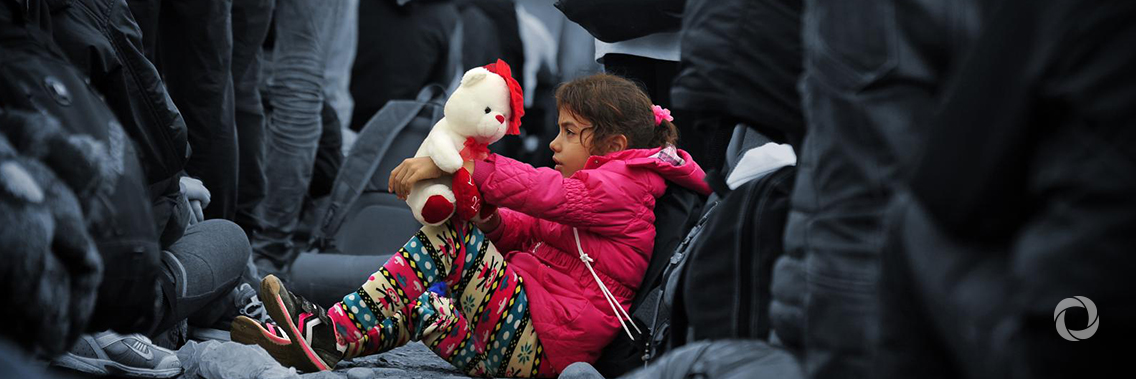
At least 13.5 million uprooted children in Africa – including those living as refugees, migrants or internally displaced – need strengthened national actions, and regional and international cooperation between states to uphold their rights, keep them safe and help them fulfill their potential. Ahead of the African Union (AU) Summit in Addis Ababa, UNICEF urges AU leaders to work together to address the negative drivers of irregular migration and respond to the needs of uprooted children across the continent.
“The majority of African migrants move within Africa, and while much of this movement of people is normal and regular, negative root causes remain, major drivers of irregular migration across the continent,” said UNICEF Executive Director Henrietta Fore. “Each day, children and families facing the ravages of violence, poverty or climate change make the painful decision to leave their homes in search of safety and a more hopeful future. Addressing these root causes will help reduce the need for families and children to leave in the first place.”
Nearly one in four migrants in Africa is a child, more than twice the global average, and 59 percent of the 6.8 million refugees in African countries are children. Africa’s population of uprooted children includes:
- 6.5 million international migrants, including 4 million refugees;
- 7 million internally displaced.
In addition to addressing the negative drivers of irregular migration, UNICEF is calling on African governments to implement policies and programmes to protect, empower and invest in refugee, migrant and displaced children.
In some cases, governments are already taking concrete actions and there are many promising initiatives at regional, national and local levels throughout the continent in partnership with civil society, the private sector, multi-lateral partners and young people themselves. Some of these positive examples include:
- Zambia’s Guidelines for Protection Assistance to Vulnerable Migrants prevent unaccompanied children from being placed in detention centres;
- Rwanda has included protections against statelessness for children in its national code; and
- Ethiopia has updated legislation to ensure refugee children have access to essential services like education.
UNICEF is also urging AU governments to work together to collect and share better, timely and accessible data and evidence, disaggregated by age and gender, that will improve understanding of how migration and forced displacement affect children and their families.
As part of the African Agenda for Action for Children and Young People Uprooted, UNICEF is calling on governments to:
- Protect children on the move from violence, abuse, exploitation and trafficking;
- Strengthen transnational protection responses;
- End the immigration detention of children;
- Keep families together and give children legal status;
- Keep every migrant and displaced child learning and give them access to health and other quality services without discrimination based on their legal status;
- Address the underlying causes that uproot children from their homes; and
- Promote measures to combat xenophobia and marginalization.
Original source: UNICEF
Published on 09 February 2019