
Add us as your preferred source on Google to see more of our content in Search.
 Add to Preferred Sources
Almost 70% of the population in sub-Saharan Africa lack access to electricity. Following the success of Sweden’s investment in small-scale energy services in Zambia, the concept is now being expanded – to Burkina Faso, Liberia and Mozambique. USD 50 million will give 5 to 15 million people in rural and slum areas access to electricity.
“Electricity is a prerequisite for people to lift themselves out of poverty. By leapfrogging the national electricity grid and promoting innovative off-grid solutions, we make it easier to study after dark, charge mobile phones and computers and keep food chilled. Electricity also creates jobs by improving the conditions to run shops and other businesses,” said Carin Jämtin, Director General of the Swedish International Development Cooperation Agency (Sida).
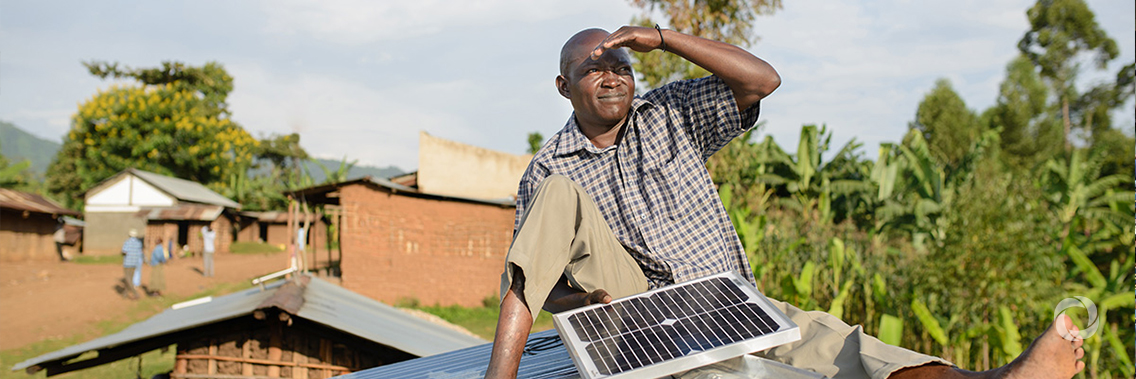
Sida is focusing on small-scale solutions for energy production. A common solution is solar home systems that are bought on a rent-to-own basis. The customer pays a monthly fee until the system has been paid off. Payments are typically made by mobile money.
The Beyond the Grid Fund for Africa (BGFA) is a program that extends over five years, USD 10 million per year, a total of USD 50 million. The concept evolves around procurement. Energy service companies submit tenders presenting their business models, how many people they want to reach and the end price for the consumer. The contracts are awarded to the companies that have the best and most sustainable business models in the long term – when the contribution from Sida has ended. The BGFA contracts covers some of the costs for the implementation of the services, but most of the investments are made by the companies and external investors. The total value of the extended energy access is estimated to USD 400 million, four times more than Sida’s contribution.
“This is what is so important, says Anders Arvidson. If we only funded electricity connections without continued support, it wouldn’t spark long term change. Our goal is to stimulate sustainable business models; companies that will keep growing when the contracts with BGFA expire.”
The goal of electrifying 1 million people is expected to be exceeded by far. So far, 450,000 people have gained access to electricity, which is twice as many as planned at this point in time. When the project ends in 2021, 1.6 million Zambians are expected to have gained access to affordable and sustainable electricity for the first time.
Original source: SIDA
Published on 22 February 2019