
Add us as your preferred source on Google to see more of our content in Search.
 Add to Preferred Sources
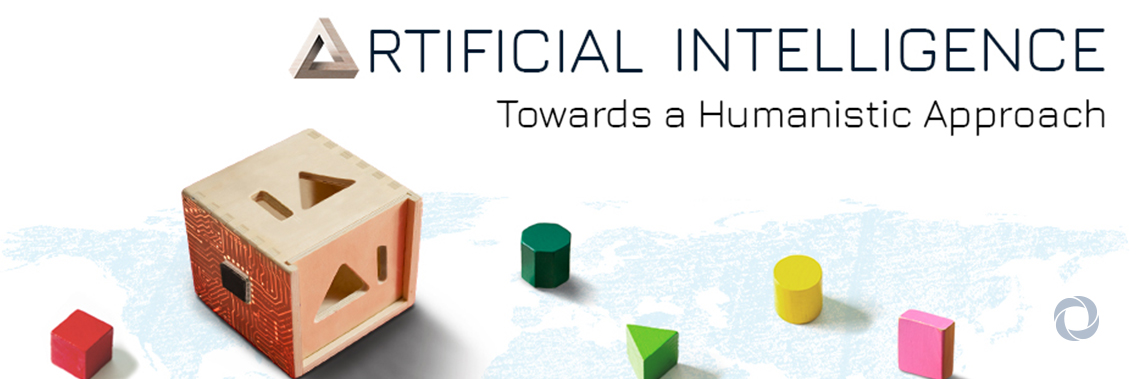
In order to encourage dialogue on the development of a human-centered artificial intelligence, UNESCO is organizing a high-level conference entitled “Principles for Artificial Intelligence: Towards a Humanistic Approach?” on 4 March 2019, at its Headquarters in Paris.
The conference will facilitate dialogue between leaders in AI from around the world and promote ways to ensure the human-centered design of AI principles and frameworks rooted in international cooperation.
As a global laboratory of ideas, standard setter, policy advisor and capacity builder, UNESCO will play a leading role in facilitating international cooperation and influencing future transformations of our societies due to AI. UNESCO’s mandate calls inherently for a human-centered approach to AI – to shift the conversation to include AI’s impact on internationally agreed universal values, norms, and standards; to incorporate its role in addressing unequal access to knowledge, research and the diversity of cultural expressions; and to ensure AI does not widen the technological divides within and between countries. The promise of “AI for all” must ensure that everyone can take advantage of the technological revolution underway and access the innovation and knowledge generated.
Building on its record of multi-stakeholder consultation and consensus building, UNESCO will bring together stakeholders from the public and private sector, technical community, media and academia, civil society and international organizations. The conference will facilitate dialogue between stakeholder groups on the potential benefits and challenges of AI and its applications.
The high-level conference will also launch Mobile Learning Week, the United Nations’ flagship conference on new technologies in education, to be held at UNESCO Headquarters from 5-8 March around the theme of “Artificial Intelligence for Sustainable Development.”
Original source: UNESCO
Published on 29 February 2019