
Add us as your preferred source on Google to see more of our content in Search.
 Add to Preferred Sources
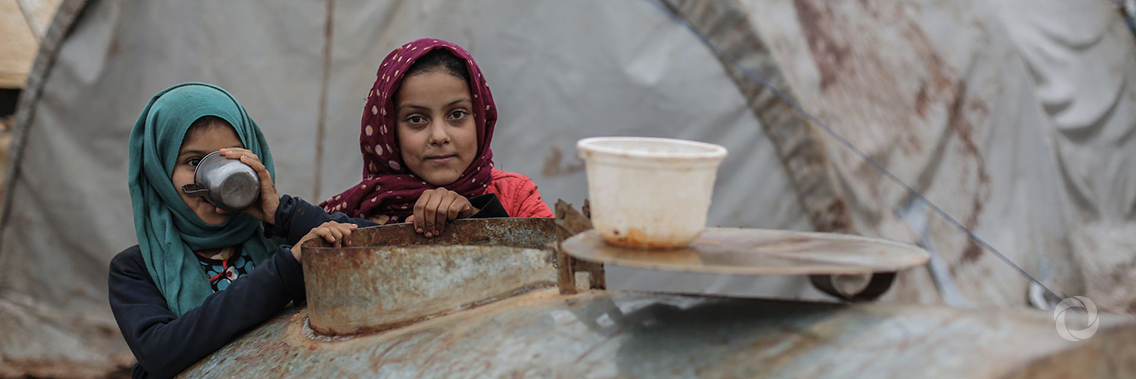
Action Against Hunger calls on the governments gathered at the third three-day donor conference in Brussels – “Supporting the future of Syria and the region” – to combine emergency aid with a commitment to building resilience in the war-torn country.
Following eight years of war, an estimated 6.5 million Syrians are food insecure and 40 percent of the population spend a staggering two-thirds of their income on food.
Thousands of Syrian widows and single women have become heads of their families, responsible for generating income for the home alongside maintaining an intense burden of domestic labor. It is also women and girls who often reduce their food rations when it is scarce at home. The diet in the poorest households is based on the daily intake of just bread, tea, and sugar, leading to malnutrition. Among young girls, both early marriages and dropping out of school early have also increased.
“The crisis has not ended in Syria,” says Chiara Saccardi, head of Action Against Hunger in Syria and the region. “Despite the reduction in general violence, hostilities persist and people continue to die every day. Even when the violence ceases, the situation will not change from night to day. Syria is a devastated country; eight years of conflict have destroyed markets, livelihoods, water, and infrastructures. Going back to the starting point will take time.”
Approximately 1.4 million Syrians, mainly internally displaced people (IDPs), returned home in 2018, although a large majority found themselves homeless or without health, education, or basic water and sanitation services.
Action Against Hunger, present in Syria since 2008, has focused its humanitarian response on the provision of basic water, sanitation, and hygiene interventions to the population.
“This third Brussels conference is an opportunity to demonstrate that the international community remains committed to the Syrian people,” explains Jean-Raphaël Poitou, head of humanitarian advocacy at Action Against Hunger.
He also stresses that financial aid should not be limited to emergency response programs, but should also start to integrate solid resilience programs to help support agriculture, livestock, and income generation. The 2018 drought has been an additional blow to food production.
Original source: Action Against Hunger
Published on 12 March 2019