
Add us as your preferred source on Google to see more of our content in Search.
 Add to Preferred Sources
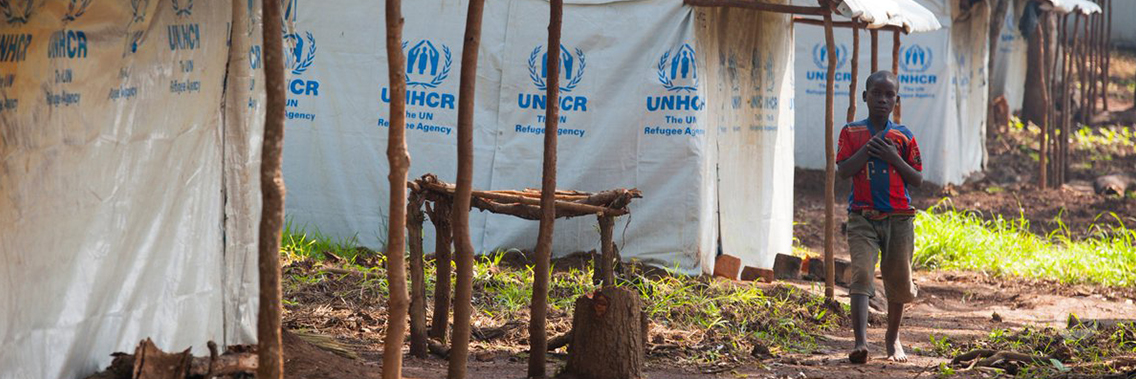
When thousands of children, women and men fled Burundi and the Democratic Republic of the Congo for safety in western Tanzania, they spent months in dilapidated emergency shelters and tents, at the mercy of wet season rains.
But thanks to flexible funding from its donors, UNHCR, the UN Refugee Agency was able to build 470 robust, long-lasting shelters. While the overall need is far greater, they gave the most vulnerable the security, comfort, and privacy they desperately needed.
UNHCR uses the so-called ‘unearmarked’ funds in three main ways: to make an immediate difference in people’s lives by kick-starting emergency responses; bolstering efforts in underfunded and ‘forgotten’ crises, and scaling up programmes in a coordinated and efficient way.
“Unearmarked funds are vital,” said Filippo Grandi, the UN High Commissioner for Refugees, during a recent visit to Nyarugusu camp in western Tanzania, which is home to more than 150,000 refugees.
“They allow us to build shelters, to help with the education of refugees, to promote activities which bring together the host communities and the refugees,” he added.
In the East-African country, needs are acute as UNHCR’s operations are severely underfunded, at just 6 percent of the US$126 million sought.
In addition to providing the new, more environmentally friendly housing, flexible funding has allowed UNHCR to keep schools open and support projects such as farms and small businesses that benefit not just the 162,000 refugees in Tanzania, but also their host communities.
“I thank those donors that trust us and give us the responsibility to make the choice of where to put those funds. And I want to encourage all donors to support refugees with unearmarked funding so that we may respond quickly and to those in need,” Grandi said during his visit to Tanzania.
Original source: UNHCR
Published on 19 March 2019