
Add us as your preferred source on Google to see more of our content in Search.
 Add to Preferred Sources
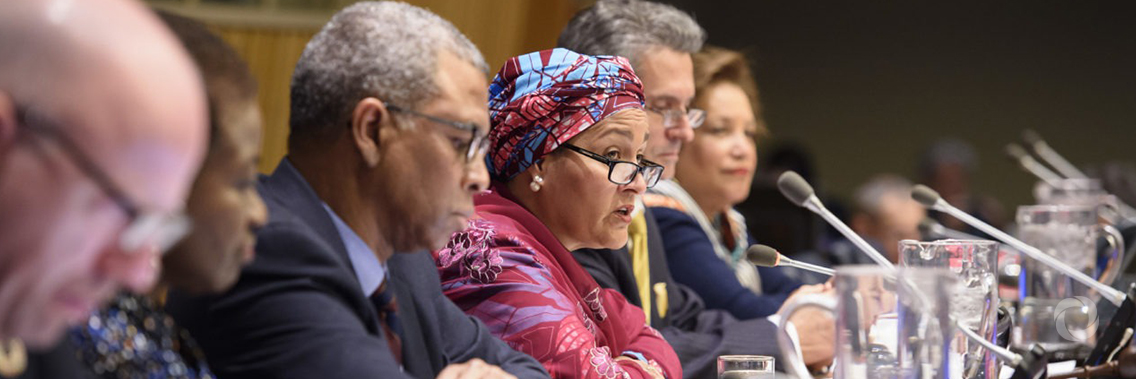
The United Nations is highlighting the important role that population trends play in promoting sustainable development, during the annual Commission on Population and Development, which began at UN Headquarters in New York.
This year’s Commission is also an opportunity to take stock and review progress made since the landmark International Conference on Population and Development (ICPD), which took place 25 years ago in the Egyptian capital, Cairo. The 1994 event resulted in a Programme of Action, based on the idea that investing in individual human rights, capabilities and dignity, is the foundation of all sustainable development.
The Programme was described by the UN as “revolutionary”, because it succeeded in bringing together diverse views on human rights, population, sexual and reproductive health, gender equality and sustainable development, in the search for a global consensus.
This year’s Commission will examine the many gains that have been made in implementing the Programme of Action, but also the gaps and shortfalls in achieving its goals and objectives: these must be addressed, says the UN, if we are to achieve the 2030 Agenda for Sustainable Development, the UN’s plan of action for bringing about a better and more sustainable future for all.
Progress unevenly distributed
Data from the UN shows that progress has been made in many population-related areas, but that there is a significant regional disparity. In all regions, for example, people are living longer, with average global life expectancy rising from 65 to 72 years, but there is a 15-year gap in that figure, between citizens of the most and least-developed countries.
As for family planning needs, 78 percent of women who are married, or living with a partner, have access to modern methods of contraception – up from 72 percent in 1994 – but that figure drops to less than 50 percent in 44 countries, mostly in sub-Saharan Africa and the southern Pacific island nations.
90 percent of urban growth is projected to take place in Africa and Asia over the next two decades, and the share of the world’s population living in urban areas is expected to rise from 56 percent now, to 68 percent by 2050.
The Commission will look at several population-related topics which contribute to sustainable development, including government policies to expand access to sexual and reproductive health care services, including family planning; policies to improve education quality and access; and ensuring sustainable patterns of consumption and production.
Original source: UN News
Published on 01 April 2019