
Add us as your preferred source on Google to see more of our content in Search.
 Add to Preferred Sources
One in four health care facilities around the world lacks basic water services, impacting over 2 billion people, according to a new report by WHO and UNICEF Joint Monitoring Programme for Water Supply, Sanitation and Hygiene (JMP).
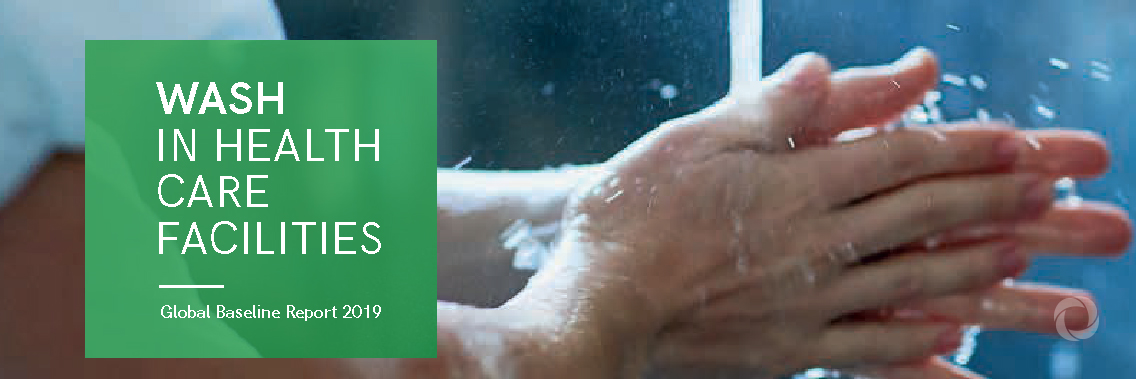
The WHO/UNICEF JMP report, WASH in Health Care Facilities, is the first comprehensive global assessment of water, sanitation and hygiene (WASH) in health care facilities. It also finds that one in five health care facilities has no sanitation service, impacting 1.5 billion people. The report further reveals that many health centres lack basic facilities for hand hygiene and safe segregation and disposal of health care waste.
These services are crucial to preventing infections, reducing the spread of antimicrobial resistance and providing quality care, particularly for safe childbirth.
“Water, sanitation and hygiene services in health facilities are the most basic requirements of infection prevention and control, and of quality care. They are fundamental to respecting the dignity and human rights of every person who seeks health care and of health workers themselves,” said António Guterres, United Nations Secretary-General. “I call on people everywhere to support the action for WASH in all health care facilities. This is essential to achieve the Sustainable Development Goals.”
The WHO/UNICEF JMP report found that just half – 55 percent – of health care facilities in the Least Developed Countries (LDCs) had basic water services. It is estimated that 1 in 5 births globally takes place in LDCs, and that, each year, 17 million women in these countries give birth in health centres with inadequate water, sanitation and hygiene.
In an accompanying report, Water, sanitation, and hygiene in health care facilities: Practical steps to achieve universal access for quality care, WHO and UNICEF researchers note that more than 1 million deaths each year are associated with unclean births. Infections account for 26% of neonatal deaths and 11% of maternal mortality.
At the 2019 World Health Assembly to be held in May, governments will debate a resolution on Water, Sanitation and Hygiene in Health Care Facilities which was unanimously approved by the WHO Executive Board earlier this year.
The WHO and UNICEF Practical Steps report provides details on eight actions governments can take to improve the WASH services in health care facilities including establishing national plans and targets, improving infrastructure and maintenance and engaging communities. These actions and resulting improvements in WASH services can yield dramatic returns on investment in the form of improved maternal and newborn health, preventing antimicrobial resistance, stopping disease outbreaks and improving quality of care.
Read and download the WASH in Health Care Facilities report.
Original source: WHO
Published on 03 April 2019