
Add us as your preferred source on Google to see more of our content in Search.
 Add to Preferred Sources
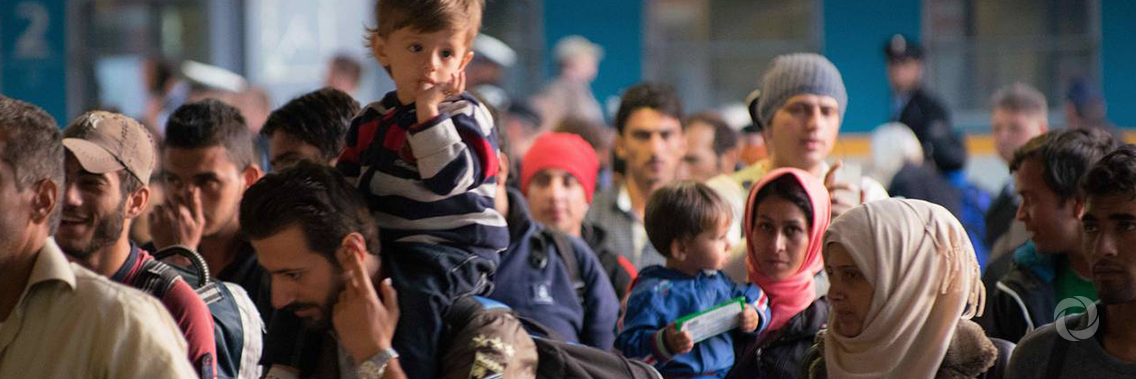
Thirteen refugees from Syria and Iraq, including six children, arrived safely in Lisbon after leaving Istanbul, Turkey as part of a Portuguese refugee resettlement programme for 2018-2019, supported by UNHCR, the UN Refugee Agency and IOM, the International Organization for Migration (IOM).
The new arrivals are the first to be resettled to Portugal from Turkey, under the program, where they have previously been hosted after fleeing conflict in their home countries.
“UNHCR has been supporting Portugal strengthen its resettlement scheme, deploying a resettlement expert to Lisbon and working with Portuguese authorities to identify and refer at-risk refugees in Egypt and Turkey as part of the program,” said UNHCR’s Regional Spokesperson for Southern Europe, Carlotta Sami.
“Through IOM’s offices in Portugal and Turkey, we have been supporting the Government of Portugal towards its overall commitment to receive 1,010 refugees by October this year,” said IOM Portugal’s resettlement focal point Sónia Pereira. “Forty more refugees are expected to arrive from Turkey under the programme this month.”
One hundred and twenty-seven refugees have now been resettled in Portugal from Egypt, as part of its most ambitious resettlement program, since December 2018.
With developing regions hosting 85 percent of the world’s refugees, or 16.9 million people, ensuring a more timely, equitable and predictable sharing of responsibilities by increasing access for refugees to move to third countries is a key objective of the Global Compact on Refugees.
Municipal authorities and NGOs throughout Portugal are supporting refugees arriving through this programme, who will be offered initial support with housing and basic needs while they learn the Portuguese language and pursue employment. The refugees will have access to healthcare and education, as well as professional and vocational training.
Original source: UNHCR
Published on 04 April 2019