
Add us as your preferred source on Google to see more of our content in Search.
 Add to Preferred Sources
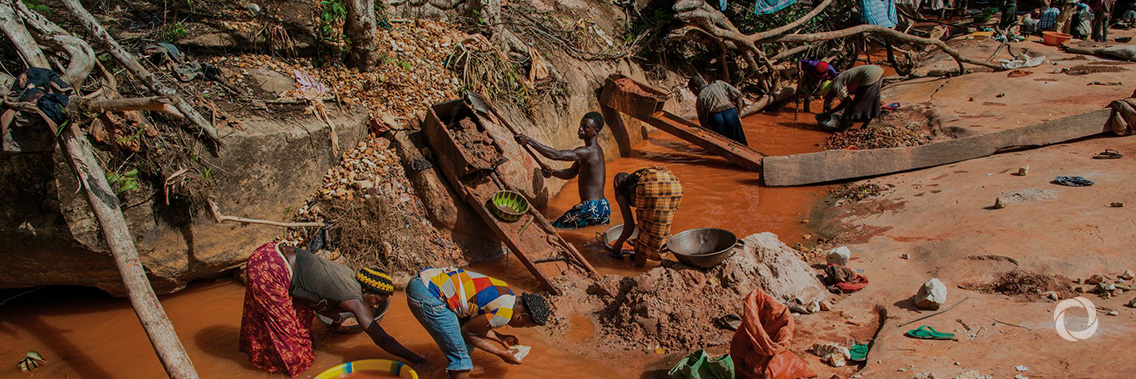
With twenty per cent of the world’s gold supply produced by artisanal and small-scale miners, urgent action is needed to reduce the environmental impact of the sector, as well as to protect the health and well-being of the millions of men, women and children working in the industry, according to the backers of a new project to reform the artisanal and small-scale mining (ASGM) sector in Mongolia and the Philippines.
The $60-million Contribution Toward the Elimination of Mercury in the Artisanal and Small Scale Gold Mining Sector: From Miners To Refiners project will work to formalize the sector in the two countries, supporting miners to access markets for responsible gold, as well as to move to mercury-free mining and processing. The ASGM sector is the single largest source of man-made mercury emissions, responsible for the release of as much as 1,000 tonnes of the element to the atmosphere every year and exposing millions of miners and processors to potential mercury poisoning.
As many as 60,000 people are employed in artisanal and small-scale gold mining in Mongolia – one-third of the rural workforce – indirectly supporting another 180,000 people and producing 46 percent of the country’s gold output. In the Philippines, the sector produces 70 percent of the nation’s gold, with 500,000 miners providing livelihoods for some 2 million people in total. Part of the international GEF GOLD Programme, the Mongolia-Philippines project is led by UN Environment and the United Nations Industrial Development Organization (UNIDO), working in collaboration with the Artisanal Gold Council and the governments of Mongolia and the Philippines, and supported with financing from the GIobal Environment Facility, Argor Heraeus, and the International Labour Organization.
UN Environment Chemicals and Health Branch Head, Jacob Duer, said the GEF GOLD Mongolia-Philippines project would deliver both global and local benefits, reducing mercury emissions by 40 metric tons over five years, while tackling threats to miners’ health, mercury pollution of water sources, and damage to ecosystems.
Original source: UNIDO
Published on 08 April 2019