
Add us as your preferred source on Google to see more of our content in Search.
 Add to Preferred Sources
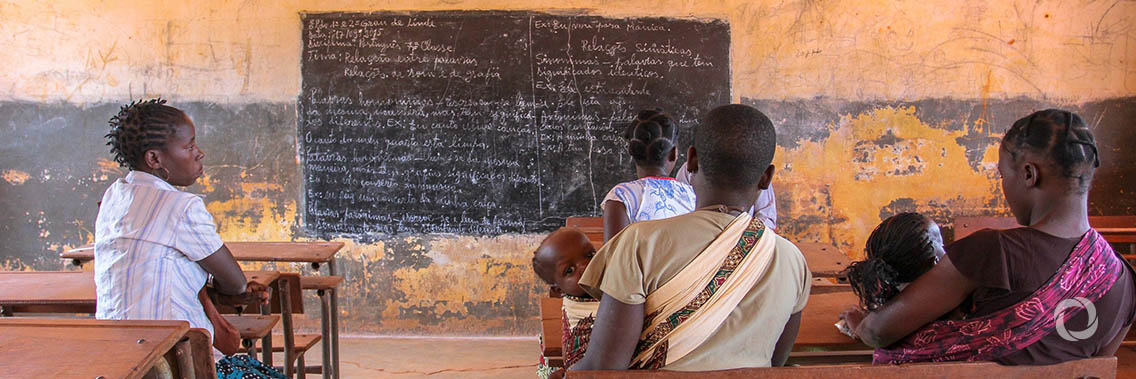
More than 305,000 children in Mozambique have had their education interrupted because of damage caused by Cyclone Idai, UNICEF said. Over 3,400 classrooms were damaged or destroyed in cyclone-affected regions, including 2,713 in the Sofala area alone.
In some cases, schools require extensive rehabilitation after being used as emergency shelters for children and families displaced by the storm. These school facilities should be reconstructed to withstand natural disasters in the future.
The UN children’s agency went on to urge humanitarian partners to continue working together to implement solutions – like establishing temporary learning centres – to get children back in school as quickly as possible. Any prolonged interruption in access to learning could have devastating consequences for children over both the short and long term. Education is essential for helping children return to a sense of normalcy following a traumatic event, like a major cyclone, and for their long-term development and prospects.
UNICEF is also concerned that damage to education infrastructure could compound what were already low rates of school enrolment and learning achievement in Mozambique. Across the country, less than 20 percent of secondary-school-aged children are currently enrolled. Dropout rates could increase if families whose property or livelihoods have been negatively affected by the cyclone are forced to send their children to work to make ends meet.
Teachers have also suffered because of the cyclone, so it is essential that they receive the support they need. UNICEF is proposing short-term financial support for teachers affected by the disaster to help them rebuild their lives, so they can get back to teaching.
UNICEF and its partners are working to help children return to school as quickly as possible. This includes:
providing educational supplies and early childhood development (ECD) kits, establishing temporary learning centres, distributing school tents, making repairs to school water and sanitation facilities, cleaning and disinfecting schools, and training teachers on psychosocial support for children.
The needs in Mozambique remain massive, with 1 million children in need of assistance. UNICEF has launched an appeal for US$122 million to support its humanitarian response for children and families affected by the storm and its aftermath, in Mozambique, Zimbabwe and Malawi over the next nine months.
Original source: UNICEF
Published on 18 April 2019