
Malawi: African Development Bank boosts cyclone response with emergency relief package and measures to combat climate change
Add us as your preferred source on Google to see more of our content in Search.
 Add to Preferred Sources
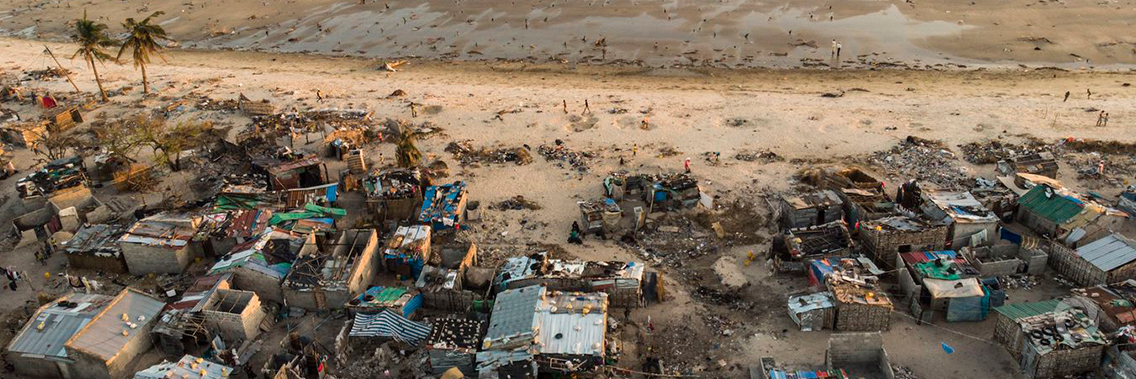
Malawi’s recovery and reconstruction plans in the aftermath of Cyclone Idai has received a boost from the African Development Bank, which is supporting the country with an emergency relief package and measures to combat the effect of climate change in the Southern African region.
Mateus Magala, the Bank’s Vice President for Corporate Services and Human Resources, led a delegation to Lilongwe this week, to discuss the institution’s intervention plans with public and civil society officials in Malawi.
“We have come to express our support to Malawi and to partner with the Government of Malawi in its ongoing efforts to provide immediate relief and reconstruction in affected sections of the country,” he said.
Magala informed officials that the development finance institution had set up an Emergency Recovery Fund, which will disburse US$100 million to jumpstart reconstruction efforts in Malawi, Mozambique and Zimbabwe. The Bank is also planning to redirect funding, totaling $1.4 million, to the immediate relief effort, reallocated from savings and extensions of ongoing Bank projects in Malawi’s water, roads and agriculture sectors.
The Bank has already availed $250,0000 to Malawi, from its Emergency Relief Fund, for the purchase of emergency food items to avert hunger following the loss of crops damaged by the severe floods.
The Bank’s Climate Fund will also release $150,000.00 to Malawi to enable authorities to assist communities and internally displaced persons impacted by the cyclone. The Bank’s long-term plans include designing and developing mechanisms for climate insurance and mitigating climate change.
The Bank delegation also discussed the need for long-term cooperation on economic development and resilience strategies with donors and development partners in Malawi, including the World Bank, World Food Program Malawi, and top diplomats representing the American, Chinese, Egyptian, German, Japanese, Nigerian, Norwegian and Zimbabwean governments in Malawi.
Original source: AfDB
Published on 24 April 2019