
Add us as your preferred source on Google to see more of our content in Search.
 Add to Preferred Sources
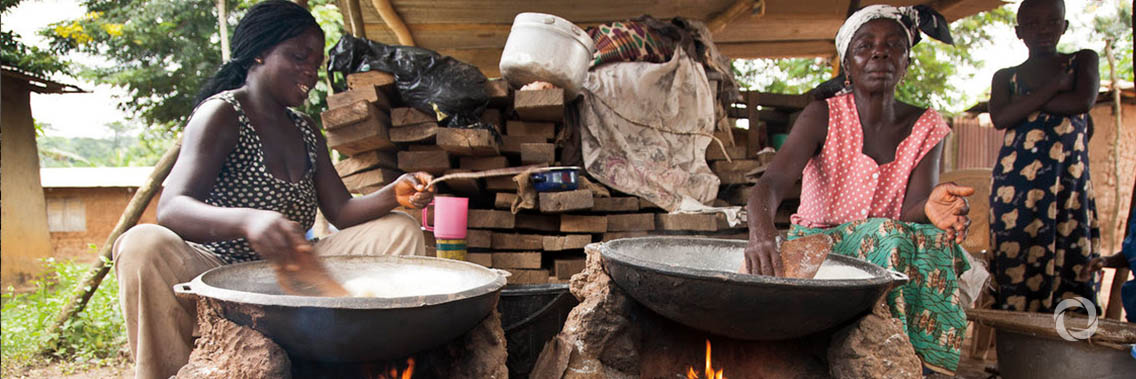
Over 80 percent of people in sub-Saharan Africa’s rely on biomass for cooking and heating. Much of it, however, is harvested and used unsustainability due to the lack of access to clean, affordable alternatives and the use of inefficient applications (for combustion).
Inconsistency in monitoring and evaluating national bioenergy programmes make it difficult to track the contribution of biomass use to national sustainable development objectives. Gaps in the expertise of national researchers and policymakers, the decentralized nature of biomass and the lack of financial resources for data collection and analysis generate additional barriers.
“While awareness exists concerning bioenergy sustainability and some multi-stakeholder engagement, a clear and established means of measuring the sustainability of bioenergy is yet to be achieved across Africa. A robust understanding among stakeholders of the multiple benefits of sustainable bioenergy is lacking,” said Richard Munang, Climate Change coordinator for Africa at the UN Environment Programme.
With the technical support from UN Environment, Ethiopian and Kenyan researchers are now applying sustainability indicators to various biomass pathways, using the Global Bioenergy Partnership (GBEP). These indicators look at the environmental, economic and social implications of biomass use.
In Ethiopia, researchers are examining biogas from organic waste and solid biomass (charcoal and firewood) used in improved cookstoves for cooking and heating.
In Kenya, researchers are focusing on agricultural residues used by the tea industry, and charcoal produced from agroforestry resources and used by households.
Technical support, provided by UN Environment and its partners, focuses on how to calculate both the greenhouse gas and non-greenhouse gas emissions associated with biomass use in the selected pathway, using a simple model developed specifically for the project. So far, over 15 researchers from national research centres and ministries have benefited from this support.
Original source: UN Environment
Published on 23 April 2019