
Erratic weather patterns in the Central American Dry Corridor leave 1.4 million people in urgent need of food assistance
Add us as your preferred source on Google to see more of our content in Search.
 Add to Preferred Sources
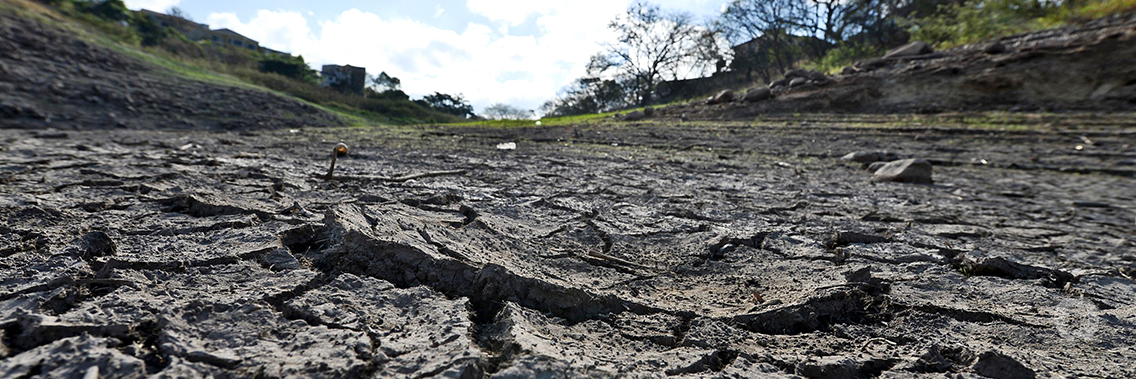
The United Nations Food and Agriculture Organization (FAO) and the World Food Programme (WFP) warned that prolonged droughts and heavy rain have destroyed more than half of the maize and bean crops of the subsistence farmers along the Central American Dry Corridor, leaving them without food reserves and affecting their food security.
2.2 million people in El Salvador, Guatemala, Honduras and Nicaragua have lost their crops due to rainfall and drought; 1.4 million urgently need food assistance.
FAO and WFP are requesting US$72 million from the international community to provide food assistance to more than 700,000 people in the Dry Corridor.
Central American governments estimated that 2.2 million people have suffered crop losses, mainly due to the drought. Emergency food security assessments carried out in the Dry Corridor by WFP, FAO and the governments during the last quarter of 2018 validated these findings and confirmed that 1.4 million people out of the 2.2 million urgently need food assistance.
For 2019, FAO and WFP are requesting US$72 million from the international community to provide food assistance to more than 700,000 people in the Dry Corridor.
These funds will also help to create and restore productive assets, diversify the subsistence farmers’ source of income, establish social protection safety nets and strengthen the farmers’ resilience in the face of future climate-related events.
“Subsistence farmers have started planting this month, many of them do not have food reserves and risk losing their crops again,” warned Miguel Barreto, WFP Regional Director for Latin America and the Caribbean. “If we don’t support them now, the coming lean season could be extremely hard for them, especially for children who are the most vulnerable, and whose nutritional condition could worsen as a result.”
FAO and WFP recommend subsistence farmers are informed about the current situation to prevent the loss of their crops due to a delayed rainy season. Alternatives for them to consider are replacing the existing water-dependent crops with sorghum and tubers, which need less water, or sowing short-cycle crops with the first rains in the dryer zones.
“We have to improve the resilience of people living in the Dry Corridor. Reinforcing monitoring and early warning systems, and mitigating the impact of droughts and rains through agricultural best practices, increases the families’ resilience and adaptation to strengthen their livelihoods, thus preventing that climatic events compromise their food security and force them to migrate,” said Adoniram Sanches, FAO Regional Coordinator for Mesoamerica and Representative in Panama.
Approximately half of the 1.9 million basic grain small producers in Central America live in the Dry Corridor. These families are subsistence farmers, which means that they harvest and eat the food that they grow, mainly maize and beans. If they lose a crop, they will not have reserves to eat or sell, to survive until the next harvest.
More than 25 percent of the households surveyed do not have enough income to cover their basic food needs and eight percent of the families reported that they plan to migrate in response to this situation.
According to FAO and WFP, only by revitalizing the Dry Corridor can we create the conditions for communities to improve their way of life without having to leave their homes and undertake dangerous journeys in search of better opportunities.
Original source: WFP
Published on 25 April 2019