
Add us as your preferred source on Google to see more of our content in Search.
 Add to Preferred Sources
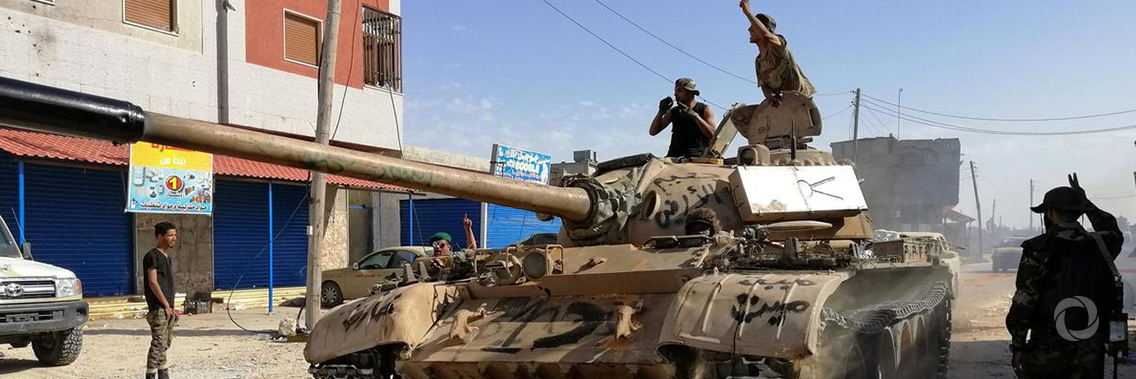
In Libya, thousands of women, children, and men have been forced to flee to Tripoli’s suburbs to escape clashes that continue to engulf the southern part of the city.
Indiscriminate shelling and heavy gunfire are causing destruction and displacement. And the number of people affected is rising. More than 42,000 people have been forced to flee their homes since the conflict began earlier this month. According to reports, 278 people have died, and another 1,332 are injured.
It is imperative that every effort is taken to ensure that civilians are not being caught in the crossfire, and to spare civilian infrastructure.
In most conflicted-affected areas, there is an increasing sense of desperation. UNHCR staff in Libya say people are afraid to leave their homes. Water is in short supply, power is regularly cut off and there is scarce access to food, fuel, and other key basic items.
In addition to our work in trying to protect refugees and migrants in Libya in the current difficult circumstances, UNHCR, the UN Refugee Agency has been moving life-saving aid and assistance to support Libyan civilians in the worst affected areas. An urgent delivery of medicines and medical equipment was provided this week to the Ministry of Health.
Three fully-equipped ambulances have been provided to Tripoli Central Hospital, Al Hadaba Alkhadra Hospital, and the Tajoura National Heart Centre, all of which continue to provide medical treatment in extremely challenging conditions.
UNHCR, with their partner Libaid and other local organizations, has also delivered blankets, sleeping mats, solar lamps, kitchen sets, buckets, and other key relief items to some 6,200 displaced people sheltering in collective shelters and urban areas in Tripoli, Azzawya, Sabratha, Garabulli and Misrata.
However, the extremely volatile security situation means access for UNHCR and other humanitarian organizations to some areas remains severely restricted.
UNHCR appeals for unimpeded and sustained humanitarian access to all affected areas and to agree to a temporary humanitarian truce to allow for the provision of emergency services and the safe and voluntary passage of civilians out of conflict-affected areas.
Original source: UNHCR
Published on 30 April 2019