
Add us as your preferred source on Google to see more of our content in Search.
 Add to Preferred Sources
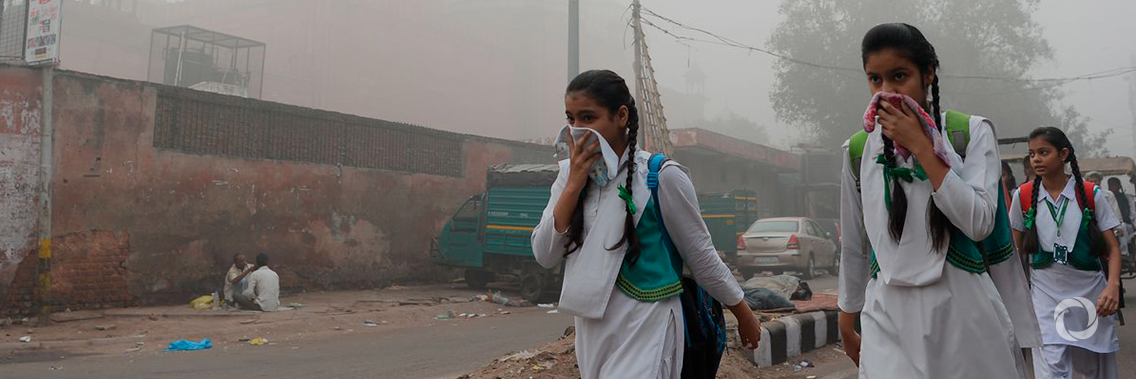
From Lagos and Lahore to London, it’s the poorest people who are most affected by air pollution. The poor tend to be priced out of the leafy suburbs where there are fewer highways and air quality is better.
Air pollution is caused by harmful particulates and gases released into the air. It leads to premature death from heart disease, stroke, and cancer, as well as acute lower respiratory infections. Indoor and outdoor (ambient) air pollution caused an estimated 7 million deaths globally in 2016, according to the World Health Organization.
Most recorded air pollution-linked deaths occur in developing countries, where laws are weak or not applied, vehicle emission standards are less stringent and coal power stations more prevalent. And in the big cities of developing countries, it’s the poorest who live in cramped informal settlements, often near rubbish dumps, who feel the full force of air pollution.
Nairobi in Kenya is just one example: the huge smoldering dump site in Dandora in the eastern outskirts of the city lies right next to schools, churches, clinics, and shops. For people living in nearby places like Canaan, downwind of the dump site, the daily exposure to toxic fumes from the dump affects their overall well-being and health, particularly small children.
In informal settlements like these, indoor air pollution is also a problem. In cities and rural areas, low indoor air quality is a result of burning wood, charcoal, kerosene or other materials inside poorly ventilated homes for cooking, heating or lighting. Again, it’s the most vulnerable, mainly in the developing world, who cannot afford cleaner fuels or alternative technologies and suffer the most.
Clean air is a human right and a necessary pre-condition for addressing climate change as well as achieving many Sustainable Development Goals. Air pollution does not only damage human health, but it also hampers the economy in many ways.
UN Environment’s urges the world to address this silent killer by living the 4Rs: reduce, recycle, reuse, recover; burning less, wasting less, walking more and driving less; and adopting clean technologies. Governments are encouraged to strengthen their monitoring of air quality and adhering to World Health Organization guidelines while leading joint actions on finance, environment, health and industry at national and city level.
“We need to bring together citizens, national and local governments, key ministries, the private sector, finance, and academia, and create new partnerships,” says UN Environment’s air quality and e-mobility focal point Rob de Jong. “The air connects all of us and touches everything. The time to act is now!”
Air pollution is the theme for World Environment Day on 5 June 2019. The quality of the air we breathe depends on the lifestyle choices we make every day.
Original source: UN Environment
Published on 09 May 2019