
Multi-Hazard Early Warning Conference confronts cascading impacts of extreme weather and other natural hazards and of climate change
Add us as your preferred source on Google to see more of our content in Search.
 Add to Preferred Sources
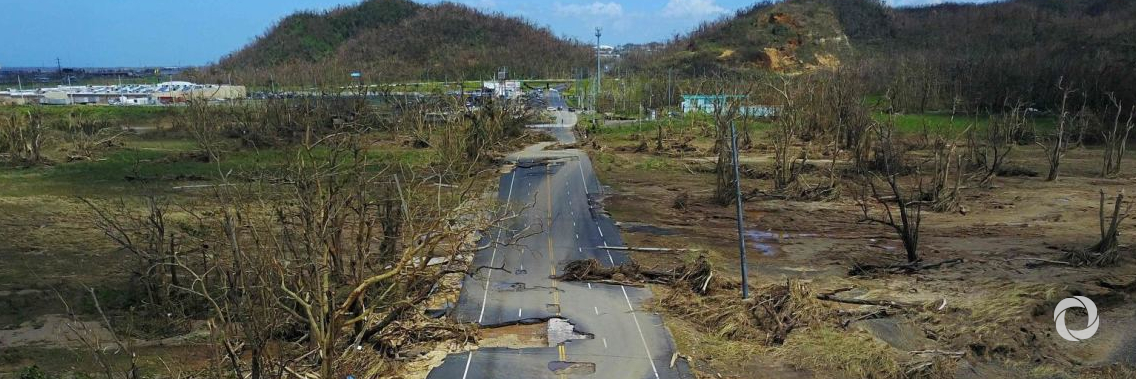
Climate change, population increase, urbanization and environmental degradation are amplifying the impact of extreme weather, water and climate events such as tropical cyclones, floods and extreme heat on growing numbers of people. Improved early warning systems and more coordinated disaster risk reduction are more important than ever before.
An international conference will, therefore, inject new urgency into the drive to improve warnings for an interlocking range of hazards, including non-hydrometeorological ones such as earthquakes, landslides, and biological hazards. It will also address how to ensure that these warnings reach those who need them most and are translated into effective action on the ground.
It takes place as Mozambique struggles with the aftermath of two unprecedented back-to-back tropical cyclones, which caused hundreds of deaths, devastated agriculture and infrastructure and set back national socio-economic development. India and Bangladesh are similarly counting the cost of a major cyclone which caused relatively few casualties, thanks to accurate weather forecasts and exemplary disaster management.
The Second Multi-Hazard Early Warning Conference (MHEWC-II) will be held in Geneva, Switzerland, on 13-14 May. It follows an inaugural first such conference in 2017 and feeds into the 2019 Global Platform for Disaster Risk Reduction taking place from 13-17 May, also in Geneva.
“As we saw in Mozambique and India, a single tropical cyclone brings a cascade of dangers, including destructive winds, heavy seas, storm surge, coastal inundation and inland flooding from heavy rain. It is no longer enough to issue a single forecast about what the weather will be. Instead, there is a need for impact-based multi-hazard warnings about what the weather – and water – will do,” said WMO Secretary-General Petteri Taalas.
Over the 20-year period between 1998 and 2017, climate-related and geophysical disasters killed 1.3 million people and left a further 4.4 billion injured, homeless, displaced or in need of emergency assistance.
Participants at the conference will focus on how countries can improve the availability of, and access to, multi-hazard early warnings as well as risk information and assessments.
Original source: WMO
Published on 09 May 2019