
Add us as your preferred source on Google to see more of our content in Search.
 Add to Preferred Sources
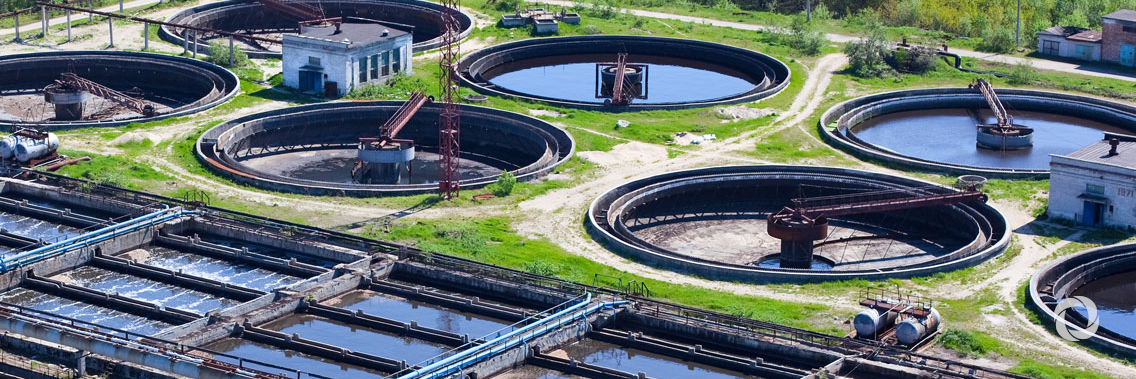
Cape Town’s sewage plants are overburdened. The city’ s wastewater often flows unfiltered into the sea. The outdated sewage treatment plants are now being modernised. It is the first project of the European Clean Oceans Initiative.
“All 26 wastewater treatment plants in the city are in need of modernisation and will be expanded and rehabilitated with our loan,” says KfW project manager Carolin Brandl. KfW Development Bank is providing the city of Cape Town with EUR 80 million on behalf of the German Federal Government.
One focus of the project is on increasing the energy efficiency of the plants – an important issue in a country like South Africa, which still generates almost 75 percent of its electricity from coal. However, another priority of KfW in Cape Town is also to increase capacity: after many years of investment backlog, the infrastructure will finally be adapted to the ever-growing number of inhabitants.
The current and future capacities of the Zandvliet wastewater treatment plant in the southern part of the city clearly demonstrate this. It is currently designed to handle 72 million litres of wastewater per day.
In the medium term, the aim is also to purify the wastewater in the wastewater treatment plants. This will also address another eminently important concern: reducing marine pollution. Rarely is the link between a measure and the protection of the oceans more evident than here in Cape Town, where increasing the efficiency and capacity of wastewater treatment has a direct impact on the discharge of untreated wastewater into the sea. Enormous quantities of plastic also wind up day after day in the plant filters – meaning not in the ocean. The project is therefore also supported as part of the Clean Oceans Initiative, which KfW launched together with the European Investment Bank and the French development bank AFD. Together, the partners are providing EUR 2 billion for projects to fight pollution of the world’s oceans.
Original source: KfW
Published on 10 May 2019