
UNICEF and partners vaccinate children affected by Cyclone Idai; stepping up life-saving cholera prevention work in areas affected by Cyclone Kenneth
Add us as your preferred source on Google to see more of our content in Search.
 Add to Preferred Sources
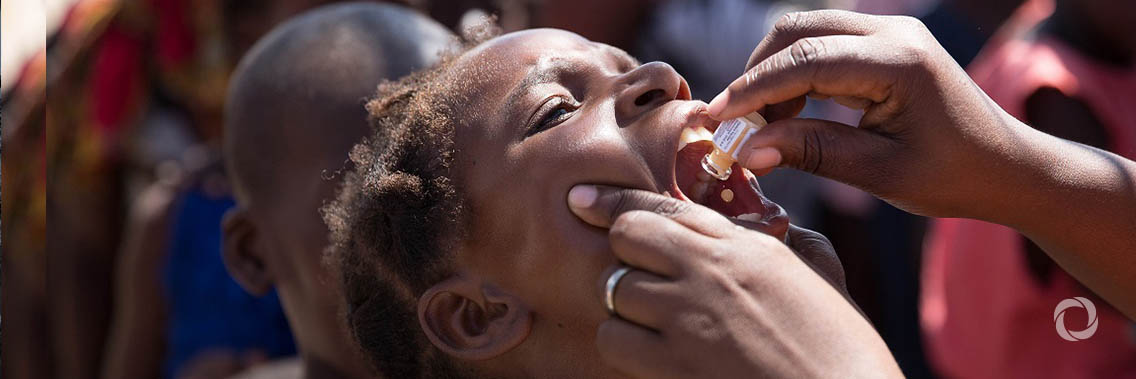
Hundreds of thousands of children affected by deadly Cyclone Idai in Mozambique have been vaccinated and received vitamin A supplements in the past week, with UNICEF and partners including the World Health Organisation (WHO) supporting the Government-led Health Week in the 21 most affected districts of Sofala, Manica, Inhambane, and Zambézia provinces.
To date, more than 700,000 children have been vaccinated against Polio and more than 650,000 children against Measles and Rubella. Teams also reached nearly 700,000 children with vitamin A supplements; dewormed more than 550,000 children; more than 650,000 adolescent girls received Iron and folic acid supplements, and nearly 700,000 children were screened for malnutrition and the acute case referred for life-saving treatment. UNICEF appreciates the remarkable effort of health teams to overcome all barriers to reach every community with a broad, integrated package of services to promote the health and nutrition of children and pregnant women.
“Children under-five and pregnant women are facing dangerous health and nutrition risks following the devastating back-to-back cyclones in Mozambique,” said Michel Le Pechoux, UNICEF Deputy Representative in Mozambique. “The Health Week is a significant step in re-establishing basic health services, especially for children and pregnant women affected by Cyclone Idai.”
More and more communities are returning to their devastated homes or are being resettled to safer areas where basic infrastructure and services need to be built from scratch. Many families have lost everything.
“UNICEF is committed to working with the Ministry of Health and other partners and with communities to ensure that every child is vaccinated and provided with the vitamin A supplementation and other nutrition support they need to survive and thrive and that their right to quality primary health care is fulfilled,” said Mr. Le Pechoux.
In areas affected by Cyclone Kenneth, which struck just over two weeks ago, UNICEF has been working intensively with partners to assist the Government-led response to treat and prevent the further spread of cholera and other waterborne diseases. Cyclone Kenneth caused major damage to urban electrical systems used to supply water, and the heavy rains infected many rural wells and boreholes making them unusable.
To prevent the spread of cholera, UNICEF with partners in the Government-led Cholera Taskforce is operating Rapid Response teams which immediately deploy to households with reported cases, disinfecting houses and intensifying water treatment in neighboring homes.
Original source: UNICEF
Published on 16 May 2019