
Add us as your preferred source on Google to see more of our content in Search.
 Add to Preferred Sources
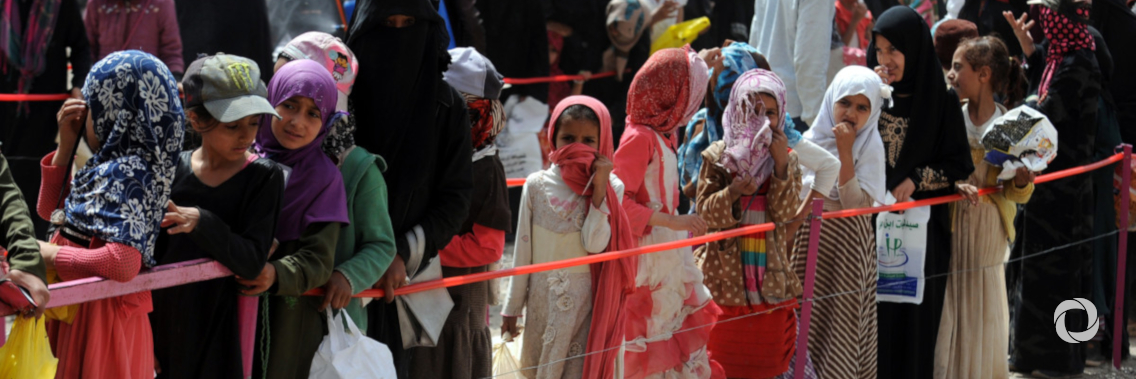
The United Nations World Food Programme (WFP) is working tirelessly to meet the needs of millions of hungry Yemeni children, women and men who are threatened by a potential famine because of conflict.
“As WFP strives to deliver on the humanitarian mandate we face daily challenges due to the unrelenting fighting and insecurity in Yemen. And yet, our greatest challenge does not come from the guns, that are yet to fall silent in this conflict – instead, it is the obstructive and uncooperative role of some of the Houthi leaders in areas under their control.”
Humanitarian workers in Yemen are being denied access to the hungry, aid convoys have been blocked, and local authorities have interfered with food distribution, and – most importantly, there have been repeated obstacles placed in the way of our independent selection of beneficiaries and a request for a rollout of a biometric registration system. This would allow WFP to identify and target the most hungry and ensure that they are the beneficiaries of food assistance.
In 2019, WFP aims to feed around 12 million of the most vulnerable people – nearly half of the total Yemeni populations, at a cost to the international community around US$175 million a month. Already, many are not being reached because of the obstacles that are being put in the way.
“If we are not given the access and freedom to decide who gets this vital assistance, then we will have to take the hard decision of implementing a phased suspension of our operations in Houthi controlled areas.”
The conflict in Yemen has thrown up multiple challenges but until now, WFP has worked with leaders to find solutions that have ensured food gets to the hungry.
Negotiations with Houthi leaders on the question of independent access to the hungry are yet to yield tangible results. Some of the Houthi leaders have made positive commitments and are working closely with us to create conditions that would allow for a fully independent humanitarian process of selecting the most needy and ensuring that only they receive the required assistance. Unfortunately, they are being let down by other Houthi leaders who have broken assurances they gave us on stopping food diversions and finally agreeing to a beneficiary identification and biometric registration exercise.
WFP still hopes that good sense will prevail and a suspension will not happen. The ultimate responsibility for the welfare of their people lies with the Yemeni leadership.
Original source: WFP
Published on 20 May 2019