
Add us as your preferred source on Google to see more of our content in Search.
 Add to Preferred Sources
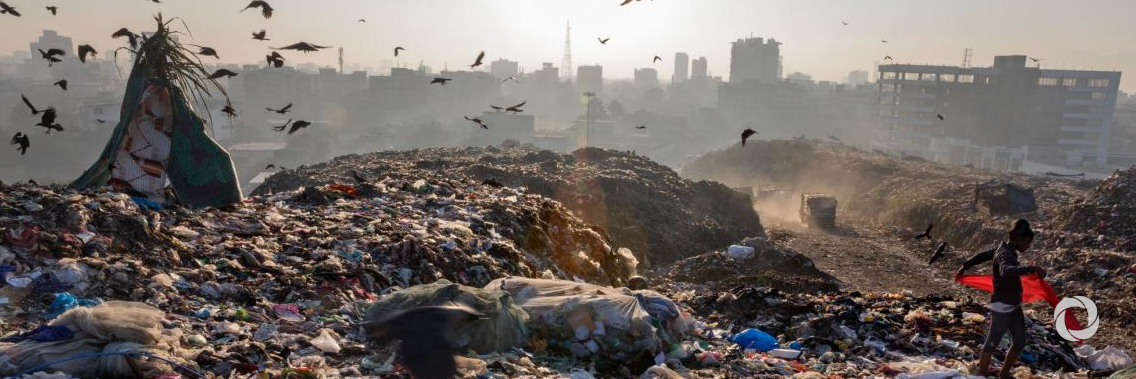
The global plastic pollution crisis is threatening the natural environment on which we depend – impacting oceans, communities, wildlife, and people at an unprecedented rate. While many companies and organizations are committing to curb plastic pollution, some lack a roadmap to follow when implementing these commitments. WWF launched a new activation hub, ReSource: Plastic, to help solve this problem.
WWF estimates as few as 100 companies have the potential to help prevent roughly 10 million metric tons of the world’s plastic waste pollution – If done through the industry, private sector and government collaboration. Even more, this number could triple by inspiring a ripple effect across supply chains and industry sectors.
ReSource seeks to tap into this massive potential by helping companies align their large-scale plastic commitments from aspiration to meaningful, measurable action. ReSource will collaborate with industries to ensure a systems-based approach to addressing plastic production, consumption, waste management and recycling as a single system.
Six of the world’s leading companies, including Keurig Dr Pepper, McDonald’s, Procter & Gamble, Starbucks, Tetra Pak and The Coca-Cola Company have signed on as Principal Members.
A recent report by WWF, “No Plastic in Nature: A Practical Guide for Business Engagement,” examined the scope and causes of the plastic waste crisis and laid out a clear and pragmatic guide for businesses to lead the much-needed plastics revolution. This guide provided the vision and foundation for the design of ReSource.
WWF is working to change the way the world sources, designs, collects and reuses plastic – taking the approach that no individual, organization, business or government can tackle the root causes of plastic pollution on their own.
Original source: WWW
Published on 14 May 2019