
Add us as your preferred source on Google to see more of our content in Search.
 Add to Preferred Sources
Baroness Sugg calls for urgent action to prevent gender-based violence in humanitarian crises – as she announced new support to tackle the issue in Syria.
The International Development Minister will speak at the UN’s first ever conference on Ending Sexual and Gender-Based Violence (GBV) in Humanitarian Crises in Oslo.
The new UK aid funding will aim to prevent violence against women and girls in Syria, by tackling its root causes and provide safe spaces and support for survivors. The programme will also train midwives and medical professionals to treat and care for survivors of sexual violence.
“No girl or woman should live in fear, yet one in three women globally experience sexual or physical violence. Violence against women exists because gender inequality exists and because society can have damaging assumptions of what it means to be female. Failure to address this problem during crises undermines our humanitarian support for the very people it is designed to help. While the international community has made strong commitments on gender-based violence in crises, tackling this problem remains underfunded. Minimum standards are not in place and there is a lack of urgency given to preventing violence against women and girls. Preventing and responding to gender-based violence is everyone’s responsibility,” said International Development Minister Baroness Sugg.
The UK aid funding will support a UNFPA (United Nations Population Fund) programme. It will tackle the causes of gender-based violence through community programmes in schools and mosques, which will challenge harmful attitudes towards women that normalise violence, including child marriage and denying women and girls their independence. It will also raise awareness of the physical, social and legal consequences of violence.
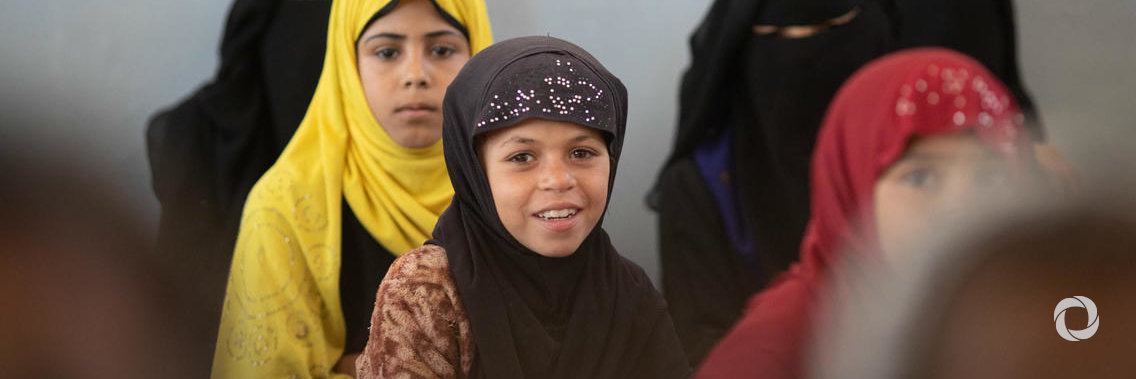
Since the beginning of the crisis in 2011 women and girls have made a million visits to UK aid-supported safe spaces in Syria. Here, they can access sexual and reproductive health services, including voluntary contraception and menstrual health products, psychological support, counselling and medical treatment.
Original source: DFID
Published on 24 May 2019