
Add us as your preferred source on Google to see more of our content in Search.
 Add to Preferred Sources
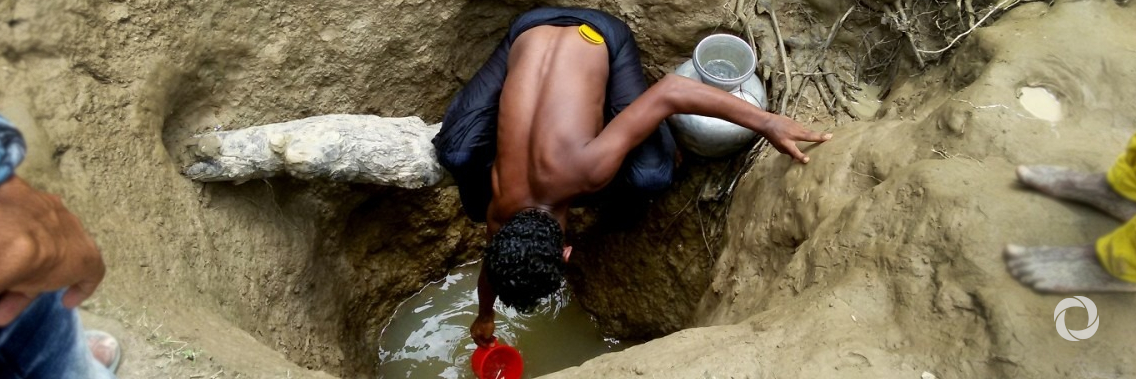
Low rainfall in parts of southeast Bangladesh’s Teknaf peninsula means that UNHCR, the UN Refugee Agency and partners are expecting in the next 10-12 days to begin trucking water to more than 140,000 Rohingya refugees living there.
With only sporadic rainfall since November, the water table has dropped to the point where water supplies for refugee settlements are now at a critical level. Already, two weeks ago, the daily ration of water for refugees was reduced from the normal minimum standard of 20 litres a day per person to 15 litres a day. As always, reducing water availability increases concern over hygiene and health standards and the potential of water-borne diseases – something humanitarian agencies fight hard to prevent.
Trucking water is expensive, but it is a life-saving measure. We estimate that the cost of transporting water by road to settlements sheltering some 140,000 refugees could be up to $60,000 a month. Current weather models are not forecasting rain any time soon.
The geography of refugee settlements in southern Teknaf means that groundwater is not available through boreholes. All water must be preserved by capturing rain water in small reservoirs – something that is now depleted. Water shortages in this part of Bangladesh occur during the summer period and affect refugees and the local population alike.
During the summer, temperatures in this part of Bangladesh can reach 40 degrees Celsius (104 Fahrenheit) in the settlements. With the monsoon due to arrive in June, UNHCR is expanding efforts to build better facilities to capture and preserve rain water. Hundreds of refugees are currently being involved in a project run by the World Food Programme (WFP) with humanitarian agency ADRA and supported by UNHCR to create a new local reservoir to capture monsoon rain in Teknaf and preserve it throughout the year. This project should improve the situation temporarily.
UNHCR is working to establish reservoirs and more advanced and sustainable facilities for rain capture that can be an asset for host communities in the area and help resolve some of the chronic water shortages that have affected the area since before the refugees arrived.
Meanwhile, less than one-fifth of the US$920 million needed for the 2019 Joint Response Plan (JRP) for the Rohingya humanitarian crisis has been received so far. This year’s appeal includes 132 partners in a collective effort to deliver protection and life-saving assistance to more than 900,000 Rohingya refugees in Bangladesh and foster social cohesion. The appeal also covers the needs of some 330,000 vulnerable Bangladeshis in host communities. Timely and unrestricted funding is essential for aid agencies to be able to effectively deliver for populations in need.
Original source: UNHCR
Published on 24 May 2019