
Add us as your preferred source on Google to see more of our content in Search.
 Add to Preferred Sources
The new Minister for the Middle East, Dr. Andrew Murrison, has announced a new package of UK aid which will help to provide life-saving treatment to more than 380,000 people in Gaza.
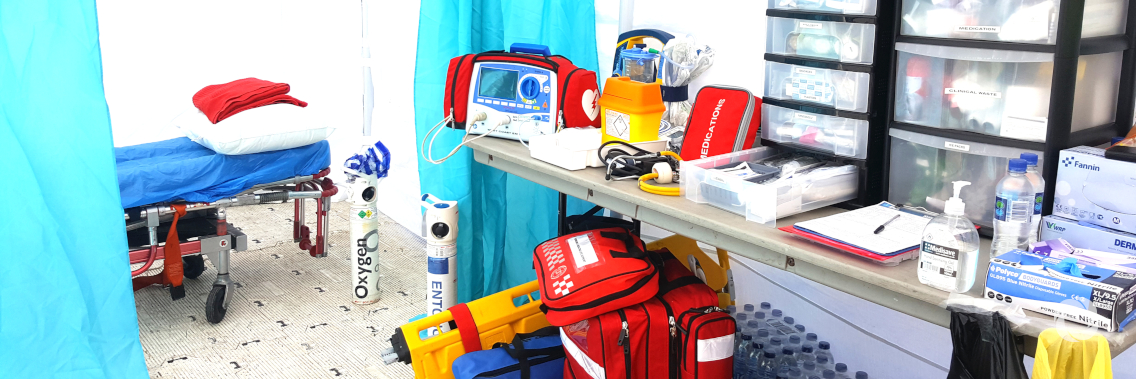
To mark his visit to the Occupied Palestinian Territories, Dr. Murrison said that UK aid to the World Health Organisation (WHO) would establish a new limb reconstruction unit in Gaza, as well as providing valuable expertise to help Gaza’s health service deal with emergency patients more efficiently.
“The situation in Gaza is unsustainable and the health services are struggling to deliver basic care to those in need of emergency medical attention. I’ve seen first-hand how important this new UK aid package is to save the lives and limbs, relieving at least some of the strain on Gaza’s health system,” said Minister for the Middle East Dr. Andrew Murrison.
This new package of UK aid support will help to carry some of the strain placed upon Gaza’s struggling health service, with more than 28,000 trauma patients in the last year.
UK aid support to Gaza through the World Health Organisation will:
- establish a limb reconstruction unit to provide centralised expertise for patients with complex injuries including gunshot wounds
- create an emergency medical team coordination cell to manage the treatment of patients in urgent life-threatening conditions more efficiently
- provide equipment such as radios and GPS maps to the ambulance service to improve their ability to respond.
This new package complements UK aid support through the International Committee for the Red Cross, through which surgical equipment, drugs and disposables, wound dressing kits, rehabilitative prosthetics, and post-surgery physiotherapy is provided to Gaza’s struggling health service.
Original source: DFID
Published on 29 May 2019