
Add us as your preferred source on Google to see more of our content in Search.
 Add to Preferred Sources
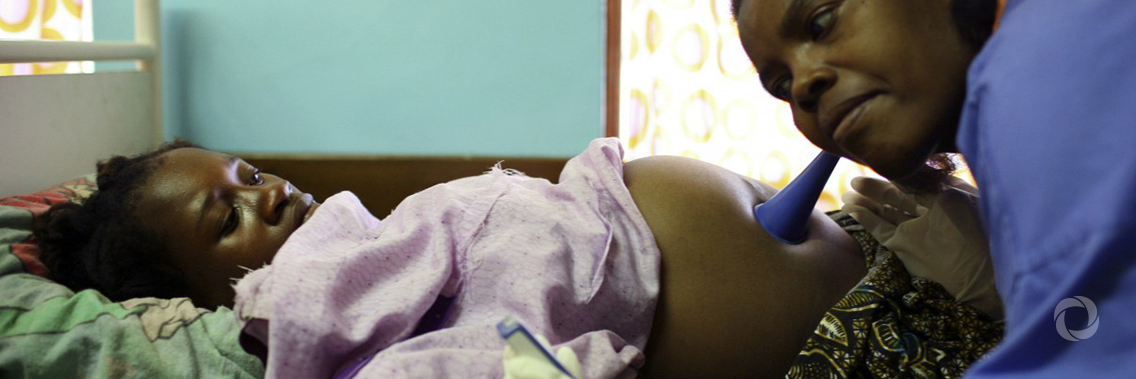
More than 5 million families across Africa, Asia, and Latin America and the Caribbean spend over 40 percent of their non-food household expenses on maternal health services every year, UNICEF said in a new analysis on maternal health.
Nearly two-thirds of these households, or around 3 million, are in Asia while approximately 1.9 million are in Africa. According to the analysis, the costs of antenatal care and delivery services can deter pregnant women from seeking medical attention, endangering the lives of mothers and their babies.
“For far too many families, the sheer costs of childbirth can be catastrophic. If a family cannot afford these costs, the consequences can even be fatal,” said UNICEF Executive Director Henrietta Fore. “When families cut corners to reduce maternal health care costs, both mothers and their babies suffer.”
The report notes that although much progress has been made around the world in improving women’s access to maternal services, every day over 800 still die from pregnancy-related complications. At least 7,000 stillbirths also occur every day, half of these babies who were alive when labor began, and 7,000 babies die in the first month of life.
The reality is stark for the poorest women. Across South Asia, three times as many rich women receive four or more antenatal care visits than women from poorer families. When it comes to women giving birth at a facility, the gap between the poorest and the richest is more than double in West and Central Africa.
Doctors, nurses and midwives play a critical role in saving mothers, yet millions of births occur every year without a skilled attendant.
“We are failing to deliver quality care to the poorest and most vulnerable mothers,” said Ms. Fore. “Too many mothers continue to suffer endlessly, especially during childbirth. We can stop this suffering and save millions of lives with a safe pair of hands, functional facilities and better quality of care before, during and after their pregnancy.”
UNICEF’s Every Child ALIVE, a global campaign to demand and deliver solutions on behalf of the world’s newborns, is calling on governments, health care providers, donors, the private sector, families and businesses to keep every mother and child alive.
Original source: UNICEF
Published on 03 June 2019