
Add us as your preferred source on Google to see more of our content in Search.
 Add to Preferred Sources
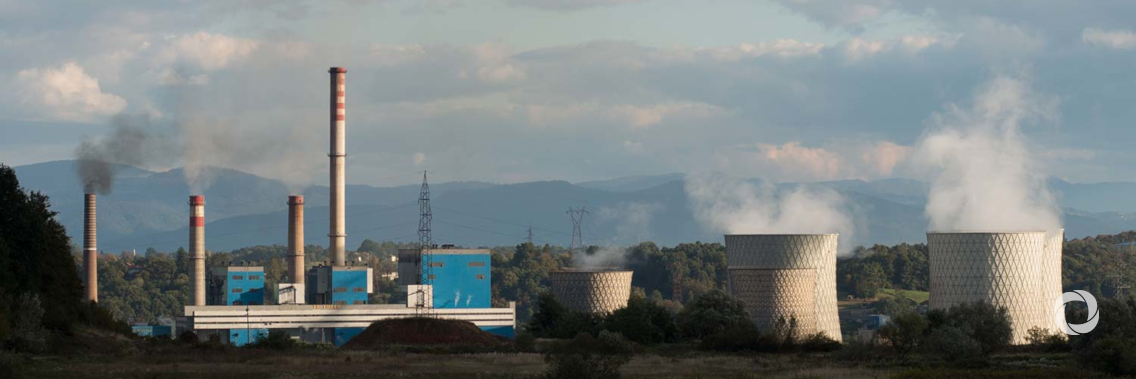
Air pollution is directly responsible for up to one in five premature deaths in 19 Western Balkan cities, suggest preliminary results from a report led by UN Environment.
Preliminary findings from the ‘Air Pollution and Human Health: The Case of the Western Balkans‘ report shows that the sum total number of premature deaths directly attributable to air pollution in the cities is nearly 5,000 a year. In seven of the cities studied, air pollution is responsible for at least 15% of premature mortality, and 19% in Tetovo, in North Macedonia.
On average, people living in the Western Balkans lose up to 1.3 years of life to air pollution. Levels of particulate matter – which comes from dust, soot and smoke and is strongly linked to cardiovascular diseases – can be over five times higher in the region than World Health Organisation (WHO) guidelines, the study reveals.
Average concentrations of PM2.5 particulate matter in all but one of the 19 cities studied exceeded the World Health Organisation guideline level of 10 μg/m3. A daily PM10 limit of 40μg/m3 set out under national legislation was found to be exceeded between 120 and 180 days a year – especially during winter. In comparison, European Union member states are not permitted to breach this level for more than 35 days a year.
The main sources of particulate matter emissions are thermal power plants that use low-quality lignite coal and household heating. More than 60 percent of people living in the Western Balkans use solid fuels such as coal and firewood to heat their homes, with only 12 percent of buildings connected to district heating systems.
Solutions for reducing air pollution must, therefore, include alleviating energy poverty by making modern clean energy more accessible, the report underlines. Average household expenditure on electricity in Serbia, Montenegro, Kosovo, North Macedonia and Albania meets or exceeds the energy poverty line. Measures to ban old polluting vehicles and introduce clean transport alternatives are needed. The report also calls for more stringent regulations on industrial emitters and restrictions on coal thermal power stations. There are currently 15 active coal-fired power stations in the Western Balkans.
Bosnia and Herzegovina has considerably improved its air quality monitoring capacity.
“Six or seven years ago, we could only monitor two types of data per day. Today, on an hourly basis, we have 60 different results”, said Enis Omerčić, air quality specialist at the Federal Hydro-Meteorological Institute, in Sarajevo.
UN Environment has helped by procuring and maintaining monitoring stations and has contributed to the creation of a national air quality index.
In Sarajevo, a new mobile phone app commissioned by UN Environment has been launched to help citizens avoid air pollution while walking or cycling. The ‘Sarajevo Air’ app calculates the lowest pollution route between any two points in the city. Estimated levels of PM10, PM2.5, nitrogen dioxide, ozone pollution and the time required are shown for each route.
Original source: UN Environment
Published on 04 June 2019