
Add us as your preferred source on Google to see more of our content in Search.
 Add to Preferred Sources
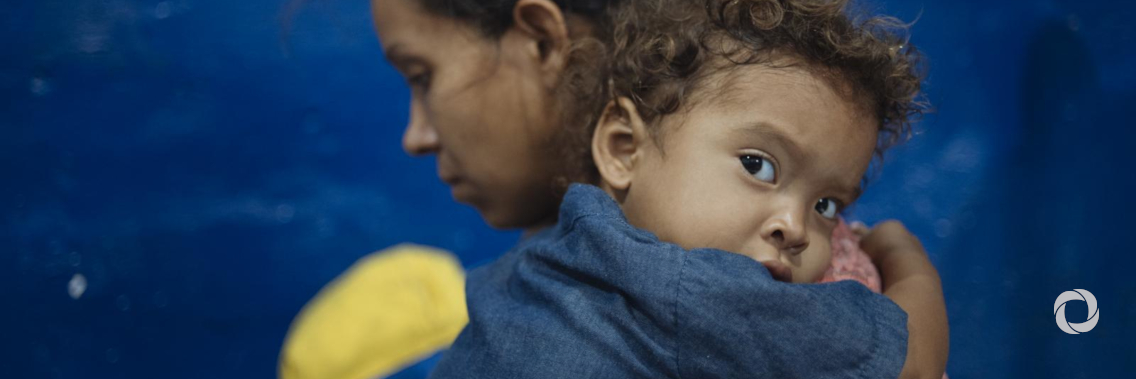
Fifty-five tons of UNICEF health supplies have reached Venezuela since the beginning of the year, the United Nations children’s organization said. The items were distributed in 25 hospitals in the most affected states of Caracas, Miranda, Zulia, Bolivar and Táchira. They include midwifery kits, antibiotics and malaria treatment.
“One-third of children in Venezuela need help accessing basic nutrition, health and education services, according to preliminary UN estimates,” said Paloma Escudero, UNICEF Director of Communication, who has just finished a three-day trip to the country. “UNICEF has been working in Venezuela for almost 30 years. As the country grapples with the impact of a devastating economic and political crisis, we will continue to provide its most vulnerable children, wherever they are, with the humanitarian support they need. Children’s needs must always remain above politics.”
UNICEF is concerned that the current situation in Venezuela has reduced children’s access to essential services and increased their vulnerability, rolling back decades of progress. According to United Nations estimates based on official and other sources:
- Some 3.2 million children – or 1 in 3 – need humanitarian assistance;
- Under-five child mortality increased by more than half between 2014 and 2017;
190 suspected cases of diphtheria and 558 suspected cases of measles have been recorded since the beginning of the year. - At a health care center in the outskirts of Caracas, Escudero met with health workers and mothers who spoke of the daily challenges of giving and receiving, medical care.
UNICEF has strengthened its presence on the ground, with offices close to the borders with Colombia and Brazil, making it one of the agencies with the biggest operational footprint in the country.
UNICEF’s funding requirements have increased, with plans to provide more vaccines, rehabilitate the water and sanitation system, provide malnutrition treatment and medical supplies, and make sure that children have the education and protection support that are essential to their future and well-being.
Original source: UNICEF
Published on 07 June 2019