
Add us as your preferred source on Google to see more of our content in Search.
 Add to Preferred Sources
The food systems of the future must deliver healthy and quality food for all whilst preserving the environment, FAO Director-General José Graziano da Silva said as he called for a transformation of food systems to improve people’s diets.
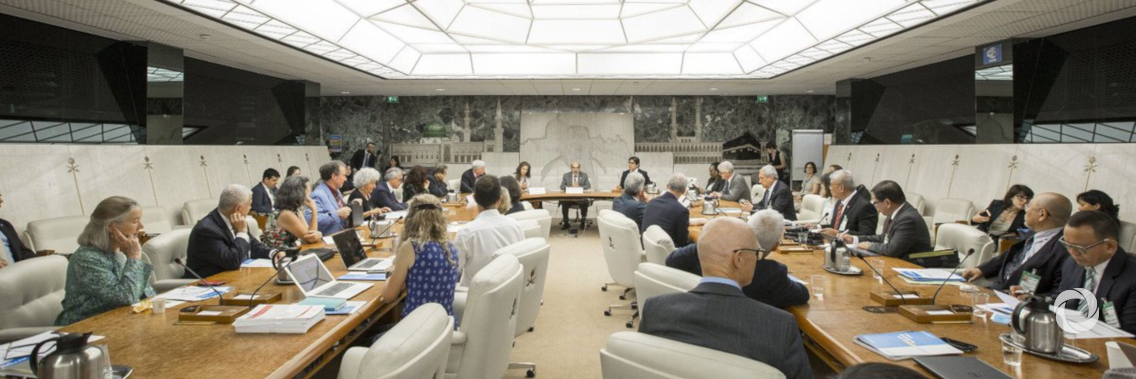
Graziano da Silva spoke at the opening of the international symposium The Future of Food (10-11 June) in Rome, which brings together academics, researchers, policymakers, representatives from civil society and the private sector, parliamentarians and government agencies.
“We need to change our focus from producing more food to producing more healthy food,” the FAO chief said.
In fact, hunger is no longer the only major nutrition problem facing humanity.
Currently, over 2 billion adults aged 18 or more are overweight, of which more than 670 million are obese. Moreover, the increase in the prevalence of obesity between 2000 and 2016 has been faster than that of overweight at all age levels. Also, nearly 2 billion people suffer from micronutrient deficiencies.
Projections estimate that the number of obese people in the world will very soon overtake the number of people suffering from hunger, which currently accounts for about 820 million.
There are several underlying factors driving the global pandemic of obesity and micronutrient deficiency, such as rapid urbanization.
One of the main drivers is the high consumption of ultra-processed food, which is mainly based on artificial ingredients. It contains high levels of saturated fats, refined sugars, salt and chemical additives.
The FAO Director-General put forward four measures that could improve people’s diets.
- Firstly, countries should put in place public policies and laws with proper incentives that protect healthy diets and encourage the private sector to produce healthier food.
- Secondly, governments should promote the consumption of local and fresh food by creating local circuits of food production and consumption. This means improving access to and promotion of local, fresh food.
- Thirdly, international trade agreements must be designed to influence food systems in a positive way as ultra-processed food tend to fare better in international trade.
- Fourthly, the transformation of food systems starts with healthy soils, healthy seeds, and sustainable agricultural practices. The whole food system needs to be readdressed.
Graziano da Silva also highlighted the need for growing food in ways that preserve the environment.
The Future of Food symposium includes panel discussions on specific themes: research, knowledge gaps and needs for sustainable food systems and healthy diets; governance of food systems for healthy diets; building consumer confidence in food systems; and what it takes to transform food systems.
Original source: FAO
Published on 10 June 2019