
Add us as your preferred source on Google to see more of our content in Search.
 Add to Preferred Sources
The World Bank’s Board of Executive Directors approved a $49.6 million loan. The loan will finance a Government of Indonesia’s project to improve the capacity of cities to formulate and analyze infrastructure investments to achieve sustainable urban development through better-integrated planning and city management.
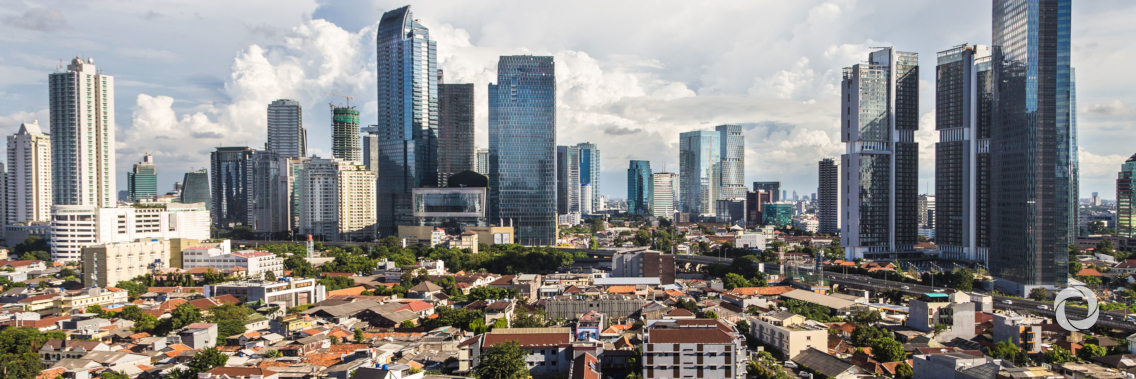
Indonesia is among the largest contributors to urbanization globally. According to the United Nations’ estimates, Indonesia’s urban population increased by nearly 59 million people from 2010 to 2018, behind only China and India. At present, 137 million people live in Indonesia’s cities or 54 percent of the population. The share of urban residents is expected to grow to 68 percent of the population by 2025. Because of persistent gaps in infrastructure and inadequate attention to spatial prioritization of infrastructure investments, Indonesia has not fully benefitted from the positive effects of urbanization.
The new National Urban Development Project (NUDP) will help cities integrate sectoral plans and strategies including master plans for transportation, housing, economic strategies and environment. In addition, the link between medium-term capital investment, infrastructure prioritization, and financing needs will be strengthened.
The project financed by this loan will benefit an estimated 12.5 million people living in 13 cities. Municipal agencies will also benefit from an improved capacity for evidence-driven urban planning and financial management as well as better integration of spatial and socio-economic development planning.
“This project will cause more effective financing of infrastructure to make cities more livable and productive,” said Rodrigo A. Chaves, World Bank Country Director for Indonesia and Timor-Leste. “Indonesia is vulnerable to the adverse impacts of climate change. This project will improve links between urban planning and infrastructure development to make the investments more efficient and reduce the vulnerability to climate-related hazards by directing development towards lower risk areas.”
The World Bank’s support for infrastructure and delivery of local services is an important component of the World Bank Group’s Country Partnership Framework for Indonesia, which focuses on government priorities that have potentially transformational impact.
Original source: World Bank
Published on 11 June 2019