
Add us as your preferred source on Google to see more of our content in Search.
 Add to Preferred Sources
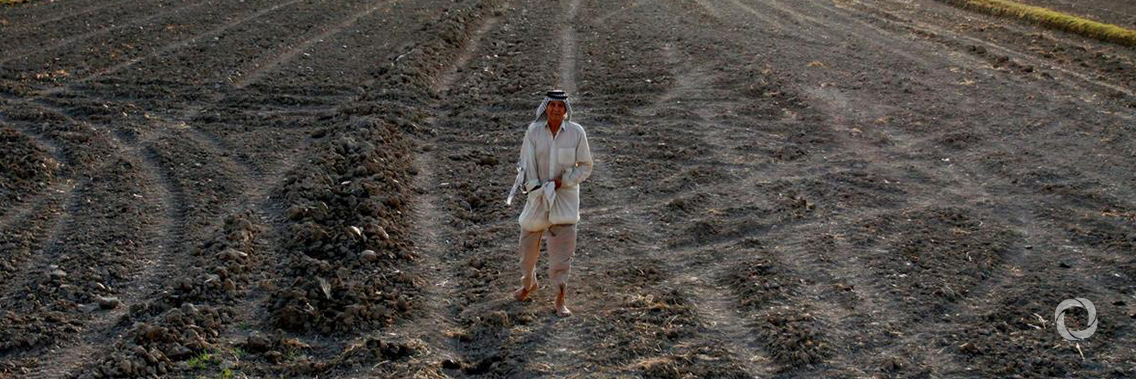
Farming families in northern Iraq’s Nineveh Governorate will benefit from a European Union contribution of €15 million to the Food and Agriculture Organization of the United Nations to recover agricultural livelihoods.
The area, which includes the city of Mosul, was known as the country’s ‘breadbasket’ before conflict caused widespread damage and displacement.
This project is expected to directly benefit almost 10,000 vulnerable farming families (around 60,000 people), as well as flow-on benefits for local service providers and labourers.
“As part of the EU’s commitment to the whole of Iraq, supporting the regions so tragically devastated by the recent conflict remains a high priority. By reviving agriculture in Nineveh, a key sector of the economy, this new project will help communities and returnees in rural areas, increasing their income and employment opportunities,” said Ramon Blecua, European Union Ambassador to Iraq.
“We are grateful to the European Union for this generous contribution to help us rehabilitate key agricultural facilities and equipment. Getting these services operational again will be a big help for farmers and local businesses,” said Mustapha M. Sinaceur, FAO Representative a.i. in Iraq.
The impact of conflict on the agricultural sector has been devastating and includes damage to water systems, irrigation facilities and other agricultural infrastructure, disruption of value chains and losses of personal assets, crop and livestock production, and food supplies.
The EU-funded project supports smallholder farming families to diversify incomes, increase resilience, and provide nutritious and healthy diets.
The project will support vulnerable smallholder farmers to resume vegetable production, introduce efficient irrigation water use and management, encourage agri-food processing, improve small-scale dairy processing and marketing, and boost animal fodder production and conservation.
Original source: FAO
Published on 17 June 2019