
Add us as your preferred source on Google to see more of our content in Search.
 Add to Preferred Sources
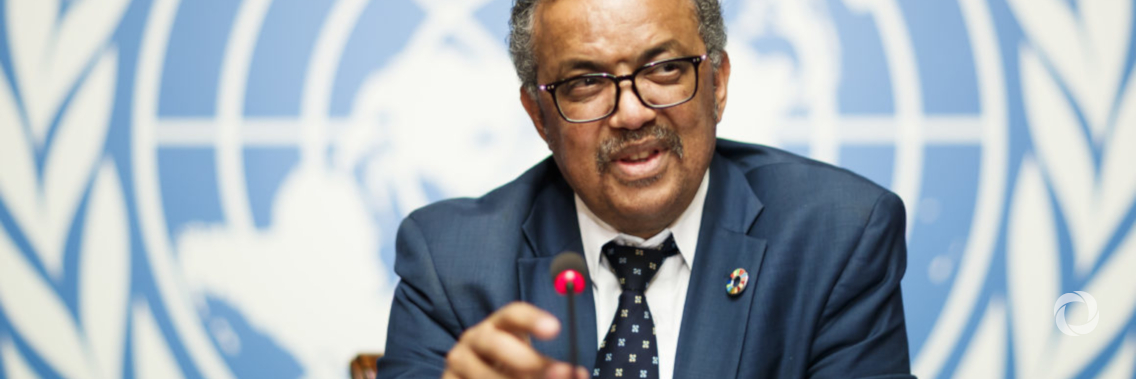
The Ebola outbreak in the Democratic Republic of the Congo will only end with bipartisan political cooperation and community ownership, according to the World Health Organization’s Director-General, Dr. Tedros Adhanom Ghebreyesus.
He was speaking to Member States in Geneva after returning from a visit to DRC, where he reviewed the health response and met with leaders from multiple sectors to galvanize their commitment. The organization is also facing a severe funding gap for the response.
Political cooperation must come from across party lines and across borders,” said Dr. Tedros. “Bipartisan political leadership in DRC is the only way that communities will eventually understand the threat of Ebola and take ownership in ending the outbreak. Meanwhile, other countries have a global responsibility to support the dedicated health responders—from DRC, from across Africa and across the world—who are bravely working to save lives.”
WHO’s funding needs for the response are US$98 million, of which US$44 million have been received, leaving a gap of US$54 million. The funding shortfall is immediate and critical: if the funds are not received, WHO will be unable to sustain the response at the current scale. Other partners are also facing shortfalls that have led some to reduce or stop operations. The response risks being driven by decisions related to financial capacity rather than operational needs.
Clear needs were identified at that time, for a more secure working environment, and for more participation by other UN partners and non-governmental organizations. Another clear need was a better to use of the Ebola vaccine, which is a very effective tool if provided to all people who have been in contact with a confirmed case.
Vaccination is being stepped up and offered to more people, including pregnant and breastfeeding women, and children over six months old (rather than only 1 year and older).
Original source: WHO
Published on 19 June 2019