
Add us as your preferred source on Google to see more of our content in Search.
 Add to Preferred Sources
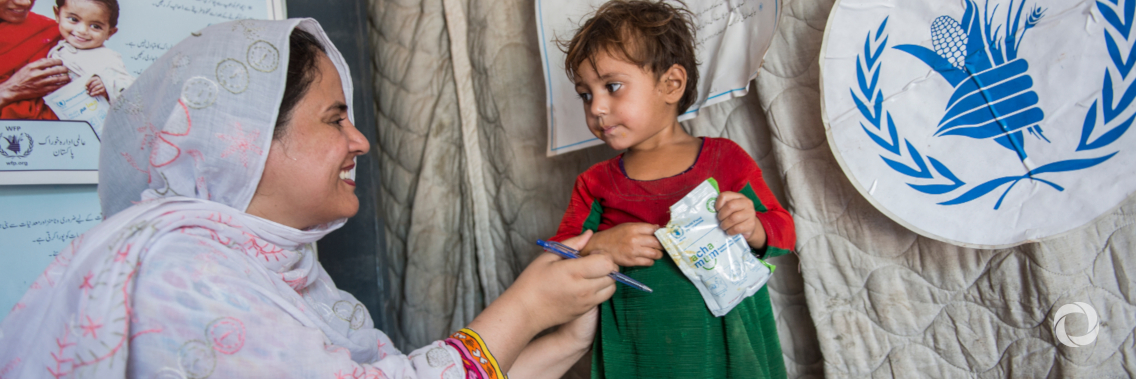
The Government of Sindh, together with the National Fortification Alliance (NFA), and the United Nations World Food Programme (WFP), launched a Provincial Food Fortification Strategy.
The strategy – developed by NFA with technical assistance from WFP and funding from Australia, will serve as a roadmap to help the government and development partners tackle micronutrient deficiencies which affect more than half of the country’s children.
According to the National Nutrition Survey 2018, some 53 percent of Pakistani children are anemic, and 5.7 percent are severely anemic. Children in rural areas are more likely to be anemic than those in urban areas. Without timely intervention, micronutrient deficiencies have long-lasting and often irreversible effects on the physical and cognitive development of children. The general health and wellbeing of the population at large, as well as workforce productivity, may also be compromised.
The strategy identifies three food groups – wheat, cooking oil and salt – as the main vehicles for food fortification. It also sets out ways to enhance the production and utilization of fortified foods, while guiding the provincial authorities on how to better regulate and monitor food fortification systems.
Original source: WFP
Published on 20 June 2019