
Add us as your preferred source on Google to see more of our content in Search.
 Add to Preferred Sources
Some 1.3 million people, including around 650,000 children, are now in need of some form of humanitarian assistance in the North-West and South-West regions of Cameroon, as the security situation and living conditions continue to deteriorate. Around 450,000 of these people, half of whom are children, are internally displaced.
Children and their families are suffering amidst and fleeing armed violence, attacks on their homes and schools, abduction, sexual violence and recruitment into armed groups. Imposed lockdowns, or ghost-town days, set in place by non-state armed groups, are affecting people’s freedom of movement and the delivery of humanitarian assistance.
Thousands of people lack access or have reduced access to basic services such as healthcare and safe drinking water, and livelihoods have been destroyed. As of December 2018, an estimated 40 percent of health facilities in the South-West region were not functioning.
The crisis escalated out of protests in the Anglophone region calling for greater autonomy nearly three years ago and has also had a devastating impact on children’s right to an education.
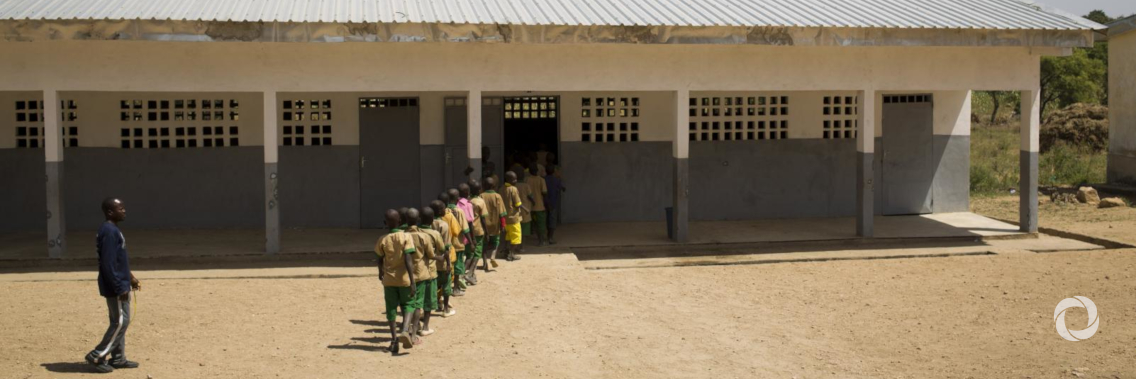
For many children, it has been three years since they last stepped foot in a classroom. Due to a ban on education by non-state armed groups and attacks, over 80 percent of schools have been closed, affecting more than 600,000 children. At least 74 schools have been destroyed, while students, teachers and school personnel have been exposed to violence, abduction and intimidation. Since 2018, more than 300 students and teachers have been kidnapped. After traumatic experiences, they were all subsequently released.
Over the past year, UNICEF has provided support to almost 140,000 children. Working with partners, UNICEF has distributed water, sanitation and hygiene (WASH) kits to more than 78,000 people. Some 30,000 children have received psychosocial support through 33 child-friendly safe spaces and youth clubs, and 972 separated and unaccompanied children have been identified and are receiving support, with the aim of reuniting them with their families.
Some 15,000 displaced children are now attending formal schools in host communities outside the region and teachers have been trained on providing psychosocial support for children who are dealing with the effects of conflict and displacement.
UNICEF calls on all parties to the conflict to:
- Protect all children and their families and to allow humanitarian access to all people in need, according to international humanitarian law.
- Protect and re-open schools and ensure safe learning spaces for children without condition.
UNICEF needs US$20 million to effectively respond to the emergency in the North-West and South-West regions this year.
Original source: UNICEF
Published on 21 June 2019