
Add us as your preferred source on Google to see more of our content in Search.
 Add to Preferred Sources
The South Sudan Humanitarian Fund (SSHF) made an enormous difference for 2.9 million people in 2018. About 1.3 million of them were women and girls.
A broad range of UN agencies and NGOs apply for and receive funding from the SSHF to implement projects addressing identified priority needs.
Last year the Fund-supported 225 projects implemented by 87 national and international partners. This enabled humanitarian organizations to save lives through timely and multi-sector assistance, alleviating acute needs, reinforcing protection, promoting access to basic services, and supporting the capacities of at-risk communities to cope with significant threats to lives, livelihoods and well-being.
Of $53.4 million allocated in 2018, 39 percent – or $20.6 million – went to local NGOs.
In 2018, the SSHF funded 19 projects aimed to help survivors of gender-based violence recover physically and psychologically from the trauma and gain access to emergency and life-saving services.
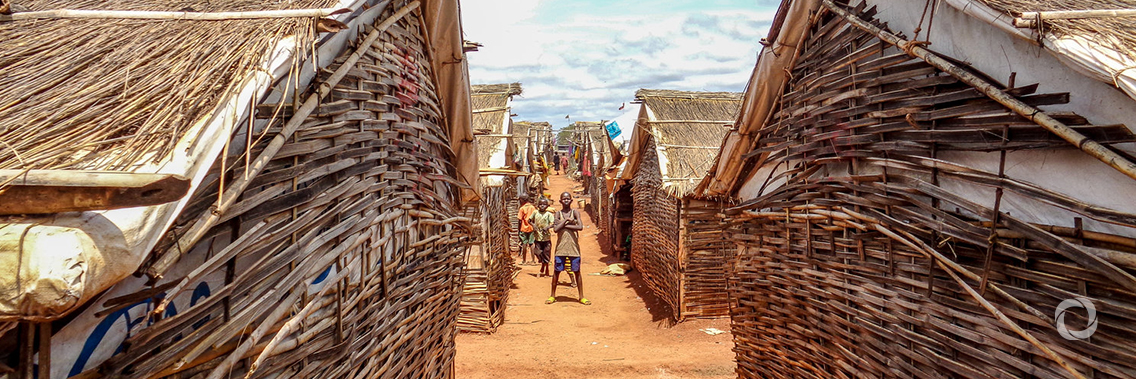
In an internal displacement camp in Mundri, Western Equatoria region, the Mundri Active Youth Association (MAYA) set up a woman and girl-friendly space, which provides support for up to 4,000 individuals. As women and girls in the camp remained exposed to risks of harassment, abuse and assault, MAYA initiated a series of information sessions to educate men and boys to what constitutes gender-based violence, why women and men should equally participate in decision-making processes, and how to prevent gender-based violence.
Thanks to funding from the SSHF, MAYA helped 48-year-old Esther, one of the displaced women living in the Mundri camp, set up a coffee shop where every Friday she organizes informal get-togethers over coffee and talks about gender issues with community members. Esther knows her community members, and her work paid off. On average, 45 people attend each session and the conversations are getting more and more participatory and engaged, especially around the safety and the integrity of women and girls.
In the wake of the Ebola Virus Disease outbreak in the Democratic Republic of the Congo and the heightened risk of its spread into South Sudan, the SSHF allocated $2 million to support the timely implementation of Ebola prevention and preparedness activities, in complementarity with bilateral funding sources and a boost from the UN’s Central Emergency Response Fund.
The SSHF will continue to support the implementation of frontline services to address the humanitarian consequences of years of conflict, violence and destroyed livelihoods.
This requires sustained support from donors. Last year, the SSHF received US$ 88.9 million from 13 donors, ranking the fourth highest among the 18 Country-Based Pooled Funds (CBPF) around the world. Annual contributions to the SSHF have increased over the last three years, from $58 million in 2016 to $78 million in 2017 and $89 million in 2018.
To date in 2019, donors have already contributed $24.3 million to the Fund in donations. More funding is needed to ensure the SSHF can continue allocating resources so people can receive the help they need, when and where they need it.
Original source: UNOCHA
Published on 01 July 2019