
Add us as your preferred source on Google to see more of our content in Search.
 Add to Preferred Sources
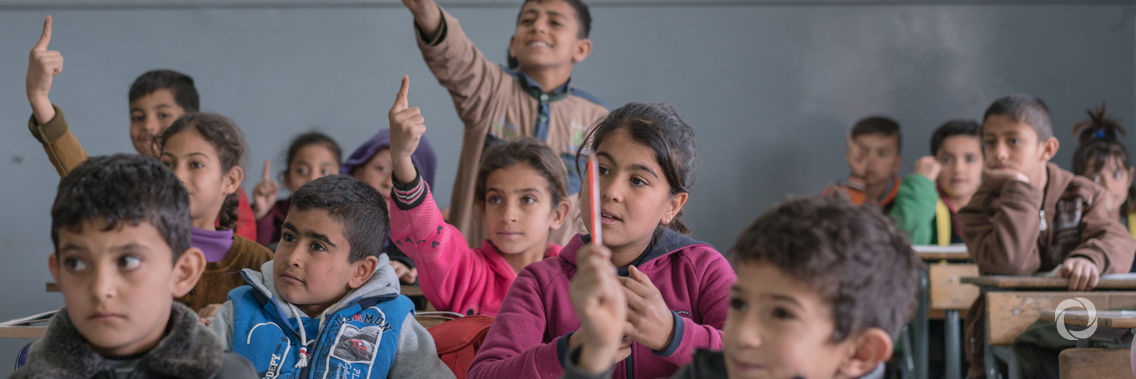
Thanks to the generosity of border towns in Costa Rica, thousands of Nicaraguan children fleeing social and political crisis at home have been able to go back to class.
For many forcibly displaced children around the world, the rules and regulations of their adopted countries can sometimes prove an insurmountable hurdle to resuming their education.
The vast majority of those who fled have sought safety in Nicaragua’s neighbor to the south, Costa Rica. According to Costa Rica’s Migration Authority, some 61,791 Nicaraguans have applied for asylum, or were in the process of filing, as of May 2019.
Of the 25.9 million refugees worldwide at the end of last year, around half were children. Fewer than two thirds – 61 percent – attend primary school, according to a 2018 UNHCR education report.
But in Costa Rica, primary school is free and obligatory for all children, regardless of their migration status. In response to the influx of Nicaraguans, many schools in the north of the country have begun to simplify their requirements to allow children with no official documentation to register.
Upala, a city of around 44,000 in one of the poorest regions of Costa Rica, has seen a major influx of Nicaraguans. Crucially, local schools have opened their doors to the influx of new students. And because many of the Nicaraguan children had been out of class for a while, some schools are even offering the newcomers extra lessons aimed at helping them catch up and integrate.
Solidarity in support of Nicaraguan families and schoolchildren is not limited to Upala. The school in Los Laureles, a tiny farming hamlet around an hour and a half from Upala by car, right on the Nicaraguan border, has absorbed dozens of other Nicaraguan students. The new arrivals boosted total enrollment at the school by fully 20 percent over the previous year, according to teachers there.
UNHCR, the UN Refugee Agency, is supporting schools and host communities like Los Laureles and Upala as part of its community-led strategies to integrate Nicaraguan students. Through its donation of desks, chairs, and school supplies, the agency aims to complement the efforts made by local authorities, as well as the people of Costa Rica.
Original source: UNHCR
Published on 05 July 2019