
Add us as your preferred source on Google to see more of our content in Search.
 Add to Preferred Sources
Ghana – with one of the highest deforestation rates in Africa – has become the third country to sign a landmark agreement with the World Bank that rewards community efforts to reduce carbon emissions from deforestation and forest degradation.
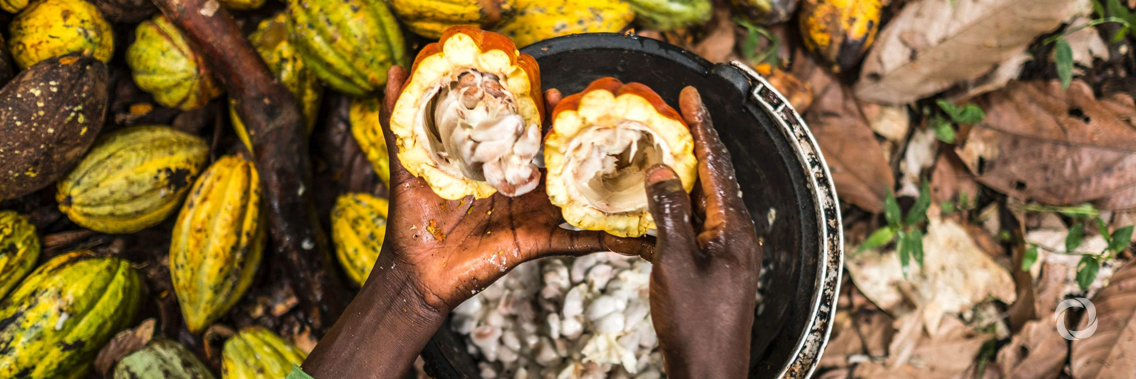
In Ghana, forest degradation and deforestation are driven primarily by cocoa farm expansion, coupled with logging and a recent increase in illegal mining. Ghana’s program seeks to reduce carbon emissions through the promotion of climate-smart cocoa production.
The emission reductions program area, located in the south of the country, covers almost 6 million hectares (ha) of the West Africa Guinean Forest biodiversity hotspot. The wider program area covers 1.2 million ha of forest reserves and national parks and is home to 12 million people.
An increase in cocoa production has historically meant more forests are cut to accommodate new cocoa seedlings, but this trend could be reversed. Through the program, the government will focus on selected deforestation hotspot areas and help farmers and communities increase cocoa production there using climate-smart approaches. More sustainable cocoa farming will help avoid expansion of cocoa farms into forest lands and secure more predictable income streams for communities. These combined actions will help Ghana to meet its national climate commitments under the Paris Agreement.
This work leverages support from other initiatives, including from World Bank programs focused on forest rehabilitation, social inclusion, climate-smart agriculture, and sustainable land and water management.
Original source: World Bank
Published on 09 July 2019