
Add us as your preferred source on Google to see more of our content in Search.
 Add to Preferred Sources
More than 50 countries have signed a free trade agreement drafted by the African Union that could pave the way for sustainable growth on the continent.
The African Continental Free Trade Area (AfCFTA) was officially launched on 7 July. Agreements have been signed by 54 out of 55 African states – Eritrea is the exception – to create a pan-African free trade zone that is home to over 1.2 billion people, making it the biggest free trade area in the world to be established since the World Trade Organization (WTO) was founded.
The idea is over 50 years old: the Organisation of African Unity, the predecessor of the African Union (AU), also pursued the goal of an African common market back when it was set up in 1963. Yet this goal remained out of reach for a long time. After gaining new momentum, however, negotiations commenced in early 2016 that has now resulted in an agreement laying the foundations for the free trade area.
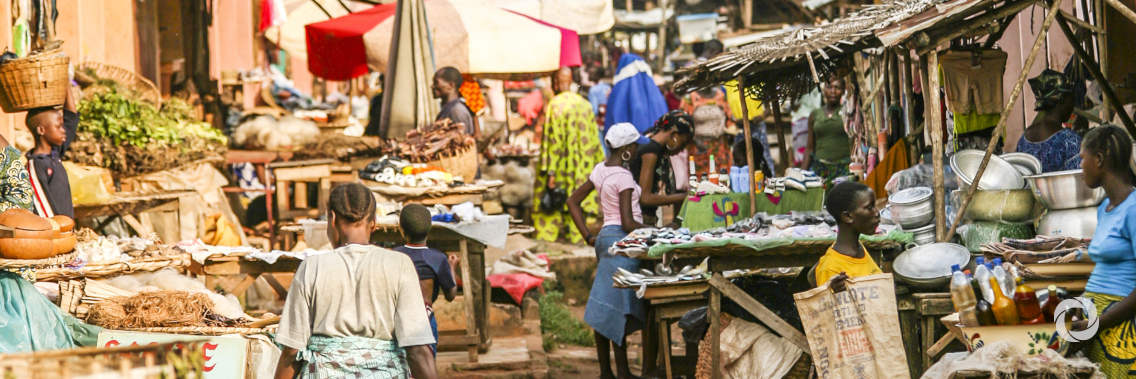
In particular, the new zone is intended to boost intra-African trade, which currently amounts to only 17 percent for the individual countries, compared to nearly 70 percent in Europe. The free trade area is designed to help push this figure up to over 50 percent, for example by scrapping tariffs.
The Deutsche Gesellschaft für Internationale Zusammenarbeit (GIZ) GmbH has advised the AU in these negotiations since the very start. Working on behalf of the German Federal Ministry for Economic Cooperation and Development (BMZ), it has been providing support during voting sessions on trade facilitation measures and customs partnerships, for example. GIZ is also working towards ensuring that various stakeholders are not ignored in the negotiations, e.g. under the ‘SheTrades’ initiative, a joint UN/WTO project, which promotes the role of women in international trade. The project is geared towards bringing businesswomen’s associations to the negotiating table so that, together with the chief negotiators, they can ensure that the priorities of women on the continent are not overlooked.
The agreement on the free trade area has already been ratified by 27 out of the 54 me2ber states.
Original source: GIZ
Published on 10 July 2019