
Add us as your preferred source on Google to see more of our content in Search.
 Add to Preferred Sources
With each passing year, the risks of unabated climate change mount. The last 19 years included 18 of the warmest years on record, worsening food and water security risks and increasing frequency and severity of hazards such as wildfires.
Last year, fires even hit regions that are typically wetter and cooler, such as England’s peatland moors and Ireland. Worldwide, disasters triggered by weather and climate-related hazards were responsible for thousands of deaths and US$330bn in economic damage in 2017.
Despite mounting awareness of the climate crisis, fossil fuels still account for 80% of global energy consumption and 75% of greenhouse gas emissions. Beyond the environmental cost, this carries massive economic and health costs. Relying on imported fossil fuels can drive economic vulnerability, as countries and businesses are subject to volatile fuel prices. And dangerous outdoor air pollution due to fossil fuel burning kills an estimated 4.2mn people a year globally.
Unless we make a quick and decisive shift to a low-carbon energy system and economy, by 2030 we will pass the point by which we can keep global average temperature rise to well below 2°C, unleashing the potential for runaway climate change with enormous risks to life as we know it.
The good news is, the benefits of bold climate action far outweigh the costs. The New Climate Economy’s 2018 Report finds that ambitious climate action could bring a US$26tn boost to the global economy between now and 2030. It can also deliver more than 65mn new low carbon jobs globally (equivalent to the combined workforce of Egypt and the UK today) and avoid over 700,000 premature deaths in 2030.
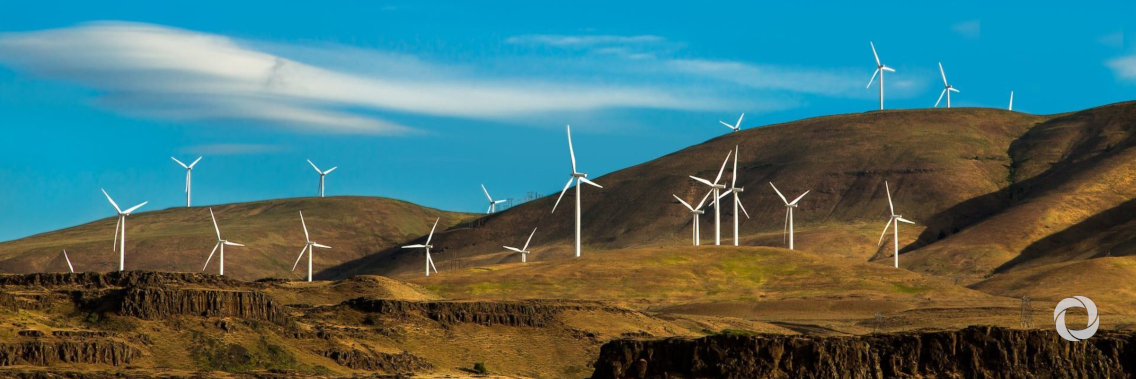
The clean energy transition is well underway, driven by market forces and plummeting costs of renewable and storage technologies, with the cost of solar and wind down by 86% and 67% between 2009 and 2017, respectively. This shift not only has the potential to limit the impacts of climate change, but it can also provide a range of economic opportunities. Fossil fuel subsidy reform, combined with carbon pricing, for example, could generate an estimated US$2.8tn in annual government revenues or savings by 2030. These are revenues that governments can use to address urgent public priorities, such as poverty reduction, public health, public transport, and a well-managed and just transition.
We’re already seeing a strong shift to renewable energy sources in some of the world’s largest economies. China invests more in renewable energy than any other country in the world (45% of the world’s total), and plans to put US$360bn into the sector by 2020, creating 13mn jobs. The government is also gradually introducing a nationwide carbon emissions trading scheme. In India, the government has set out plans to generate 175 gigawatts (GW) of renewable electricity by 2022, and the country is well on its way to achieving this goal. Over the past four years, India’s solar energy capacity has increased eightfold.
As a frontrunner region, the EU can take advantage of exciting emerging trends, such as the rapidly building new trend in the finance sector to shift away from fossil fuels and toward clean technologies. The growing demands to transparently disclose climate-related financial risks, for example, can play an important role in helping shift private investment.
The world is changing. Moving from brown to green energy is a key element of the direction of the future, and one that is ripe with business opportunities and near-term benefits including cleaner air and new jobs. This is not only an economic opportunity for Europe, but also a moral imperative to “ensure access to affordable, reliable, sustainable and modern energy for all” (SDG 7). Transitioning to a low carbon energy system is not an option – it’s critical to achieve a better economy and better lives for us all.
Original source: NewClimateEconomy
Published on 23 July 2019