
Add us as your preferred source on Google to see more of our content in Search.
 Add to Preferred Sources
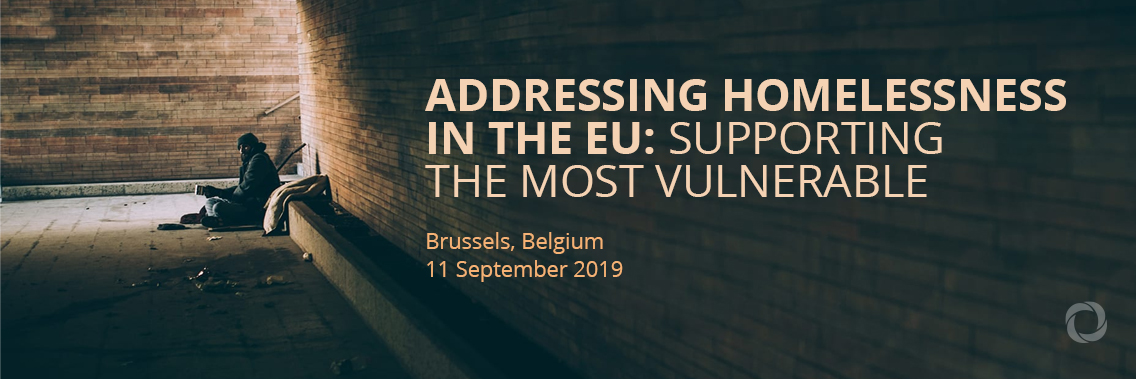
Alarming trends show homelessness is increasing in almost all EU Member States despite ongoing efforts to put an end to it. About 4 million people experience homelessness yearly in the EU, in particular, young people, women, migrants and other marginalized communities/minorities.
An estimated 410,000 people sleep rough on any given night in the streets of Europe. Instead of decreasing, the number of people experiencing homelessness in Europe has been on the rise, negatively impacting the lives of individuals and society at large.
In light of this, the EU has enacted a wide range of measures aimed at reducing the level of homelessness. One of the objectives of the Europe 2020 strategy, to significantly lift 20 million people out of all forms of extreme poverty or social exclusion, and the implementation of the European Commission’s Social Investment Package, show the EU’s moral commitment to protect and care for homeless people, as enshrined in its Charter of Fundamental Rights, and EU laws and practices.
Homeless people’s chances of protection however, vary among EU Member States, creating differences in care, lack of accurate data collection, etc. Continued work by European institutions, Member States and local organisations are desperately needed to assist the needs of homeless people.
This symposium will provide an opportunity for policy-makers, EU-wide stakeholders and other professionals working in this sector to have open and honest discussions on the latest strategies for confronting homelessness in the EU. It will examine ways of addressing homeless people’s basic needs and connect them to suitable services, and how to make a real difference in reducing and eradicating homelessness in the EU.
VENUE:
Brussels, Belgium
11 September 2019
Original source: PublicPolicy Exchange
Published on 01 August 2019