

Add us as your preferred source on Google to see more of our content in Search.
 Add to Preferred Sources
UN boosts humanitarian appeal to help tackle Zimbabwe’s ‘worst-ever’ hunger crisis, UNDP and Samsung unveil Global Goals partnership and in Somalia, the climate emergency is already there. Here is what you missed from last week’s headlines in the international development sector:
UN boosts humanitarian appeal to help tackle Zimbabwe’s ‘worst-ever’ hunger crisis
With Zimbabwe now experiencing its “worst-ever hunger crisis”, the UN food relief agency has revised its humanitarian appeal to step up food assistance to people most affected by drought, flooding, and economic stagnation.
“The humanitarian community launched an urgent appeal for funds to respond to the country’s very difficult humanitarian situation”, World Food Programme (WFP) Spokesperson Herve Verhoosel told reporters. “WFP is set to increase aid, especially for drought-affected residents, but also to build community capacity to respond to climate shocks”.
Zimbabwe was once known as leading food producer in the region, one of the bread baskets of Africa, but its problems were exacerbated earlier this year when Cyclone Idai struck, affecting around 570,000 Zimbabweans, together with large parts of Mozambique and Malawi.
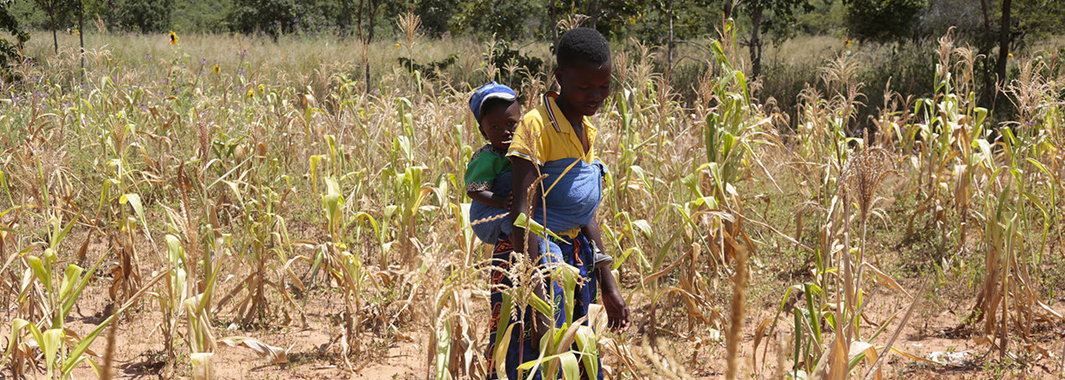
The revised humanitarian appeal covers January 2019 through to April 2020, with a total requirement of $331.5 million need from this point onwards.
UNDP and Samsung unveil Global Goals partnership
The United Nations Development Programme (UNDP) and Samsung Electronics Co., Ltd. announced a new partnership to boost awareness of the Sustainable Development Goals.
The new Global Goals app and accessories were unveiled during Samsung’s Unpacked event at the Barclays Center in Brooklyn. Samsung Galaxy phones will carry the Global Goals app that defines each of the 17 goals showing users how they can take small actions towards achieving the SDGs.
There are, said Ms. Alisjahbana, several reasons for this: “There is water scarcity, because of the pressure of urbanization, and the management of natural resources and the environment are making the situation worse. As for moving towards sustainable consumption, that has to do with behaviour and lifestyle. With increasing wealth, you consume more, but what you consume is something that is actually not sustainable.”
The situation, she believes, can be turned around, through better cooperation, as well as the abundant talent and expertise found in the region.
In Somalia, the climate emergency is already here
The climate emergency is wreaking havoc across the world, and it is the poorest countries that bear the brunt of the crisis. In Somalia, the population is currently experiencing a drought that could threaten the lives or livelihoods of more than two million people by the end of the summer, according to the UN.
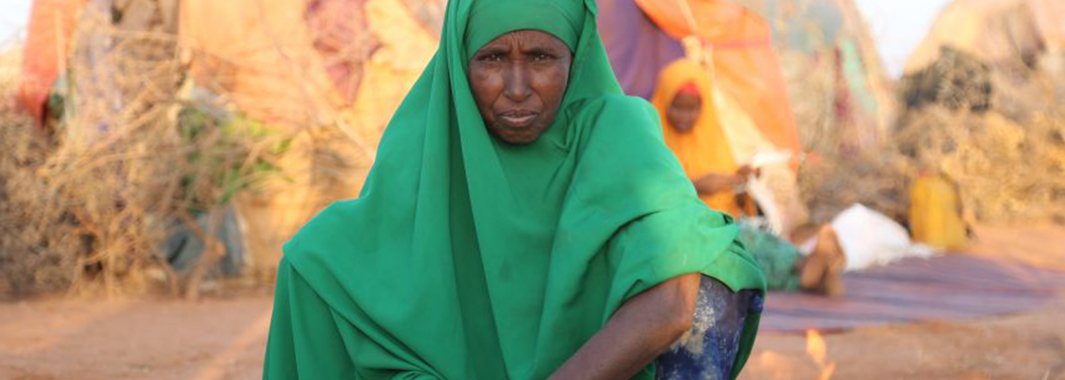
The climate has been wreaking havoc on Somalia’s seasons. Ordinarily, there are four: the main rainy season between April and June (gu), the second rainy season between October and December (deyr), and the dry seasons that follow each of them.
Aid agencies need more funding, and not just for immediate assistance. With the climate crisis increasing these kinds of events in frequency and intensity, we could be in this exact same situation next year, the year after, and on and on. So while the first phase of intervention should be an emergency response, we then need to build resilience so people are better prepared for the future and not reliant on handouts from the international community.
Here’s what else has happened
Green projects: The Asian Development Bank (ADB) and Japan’s Government Pension Investment Fund (GPIF) recently formed a partnership to support green project financing through investments in ADB’s green bonds. The green bond investment will help GPIF fulfill its stewardship responsibilities for environment, social, and governance (ESG) investments. GPIF, the largest pension fund in the world in terms of assets under management, can support ADB’s green bond program in a substantial way.
Education: A new package of education support for Djibouti includes integrating refugee schools into the country’s mainstream education system. New GPE funds will also leverage significant additional donor financing for a results-based program that focuses on improving efficiency, equity and learning outcomes for the country’s most vulnerable children.
Refugees: Under changes approved by Parliament, fines for private vessels that undertake rescue of persons and do not respect the ban on entry into territorial waters have risen to a maximum of €1 million. In addition, vessels will now be automatically impounded. UNHCR reiterates its concern that imposing financial or other penalties on shipmasters could deter or impede sea rescue activities by private vessels at a time when European states have largely withdrawn from rescue efforts in the Central Mediterranean. NGOs play an invaluable role in saving the lives of refugees and migrants attempting the dangerous sea crossing to Europe. The commitment and humanity that motivates their activities should not be criminalised or stigmatised.
European Commission: To ensure refugees continue to be supported by the EU’s largest humanitarian programme in Turkey, the Commission has announced an additional €127 million to the Emergency Social Safety Net (ESSN) programme via the EU Facility for Refugees in Turkey. This new funding brings the total EU contribution to the programme to €1.125 billion.
Reports
Zimbabwe revised humanitarian appeal
The appeal calls for US$ 331 million to target 3.7 million of the most vulnerable people. New evidence shows an estimated 5.5 million people in rural areas and 2.2 million in towns and cities are food insecure.
Zimbabwe is facing a multitude of humanitarian challenges as a result of climate and economic shocks. The impact of 2018/2019 drought combined with continuing macroeconomic challenges have resulted in a high level of food insecurity. The 2018/2019 Second Round Crops and Livelihood Assessment found the food gap to be over 900,000 MT, with many districts having less than a three-month supply of maize.
FAO welcomes IPCC special report on the link between climate change, land and food
FAO welcomes the IPCC special report which gives a comprehensive and stark account on the damages being done to our planet, highlighting how unsustainable agricultural practices can turn land from an ally into a foe when it comes to climate change, and putting forward workable solutions to reduce or reverse these negative trends.
Events
G20 Health Ministers’ Meeting
Okayama, Japan
19-20 October 2019
Okayama city will host the G20 Health Ministers’ Meeting. Known as a city with advanced medical services, it is recently improving overall health level of the residents with Social Impact Bond (SIB). Projects that utilize medical data for better health also have started.
African Green Revolution Forum 2019
Accra, Ghana
3-6 September 2019
The African Green Revolution Forum (AGRF) is considered the world’s most important and impactful forum for African agriculture, pulling together stakeholders in the agricultural landscape to take practical actions and share lessons that will move African agriculture forward.
2019 Latin American Cities Conferences: Brazil’s Agenda for Investment and Growth
Brasilia, Brazil
5 September 2019
This year, Americas Society / Council of the Americas (AS/CoA) brings its series of conferences on Latin American cities to Brasilia for the second time. During this half-day event, high-level investors and business executives will have a unique opportunity to engage with key members of Brazil’s cabinet.