
Add us as your preferred source on Google to see more of our content in Search.
 Add to Preferred Sources
Global efforts have focused on cleaning the world’s oceans. To ensure real, long-term impact, we must tackle the problem of marine litter at its source.
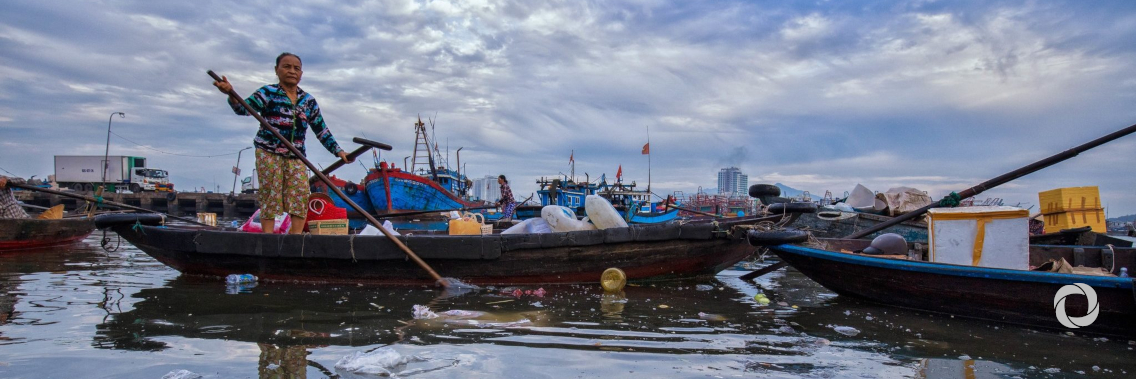
We continue to treat oceans, rivers, streams and other water resources as little more than a dumping ground for our waste.
We think there’s plenty of room for our trash. We assume that we can continue to increase our consumption and simply dump the rapidly rising amount of excess waste without consequences. But we simply can’t.
The effect of water pollution is far-reaching. Polluted marine waters threaten the livelihoods of millions of people who depend on the world’s oceans for their jobs. Polluted freshwater affects human health and forces people to look for new, unpolluted sources of food. The struggle to find clean water – and the fight to hold on to such a precious, dwindling resource – can ultimately threaten peace.
Land-based trash often ends up in our streams, rivers and lakes – and ultimately the world’s oceans. About 80 percent of the pollution found in marine environments comes from land-based activities. It’s critical to stop more trash from flowing into oceans.
Improper waste management is not just a development issue. It’s a global threat that goes hand-in-hand with protecting the environment.
In many countries, waste management systems still don’t function properly. Trash is simply dumped in forests, on unused land or in streams and lagoons.
An integrated waste management system is the best way to keep land-based waste from entering waterways in the first place.
In Sri Lanka, for example, coastal areas, beaches and lagoons are particularly vulnerable to inland trash ending up on the country’s shores and trash returning from the sea. Plastic debris and discarded fishing nets choke coral reefs and mangrove areas. Garbage blocks drains, contributing to increased urban flooding during monsoon season. Livestock and other animals ingest various types of garbage, including plastics that block their digestive systems, causing them to slowly starve to death.
UNOPS – in partnership with the European Union – worked with communities, local authorities and national authorities in Sri Lanka to develop sustainable waste disposal solutions that wouldn’t harm the environment.
Efforts like the ones implemented in Sri Lanka need to be encouraged and sustained around the world until they are solidly rooted in the routine of institutions, communities and people – to ensure our world is a healthier and cleaner place to live for the generations to come.
Original source: UNOPS
Published on 13 August 2019