
Add us as your preferred source on Google to see more of our content in Search.
 Add to Preferred Sources
The fierce urban combat in Marawi was declared over in October 2017. Yet the effects of that crisis are lingering. Nearly two years later, an estimated 66,000 people remain displaced, living in evacuation centers, temporary shelters and host communities.
And the situation is particularly challenging for women and girls. Gender-based violence is pervasive even in times of peace, but it is exacerbated during armed conflict and other emergencies. For instance, overcrowding in shelters elevated risks to women and girls, reports indicate.
“I hear about a lot of abuse towards women in Marawi, especially after the conflict,” said Dr. Nadhira Abdulcarim.
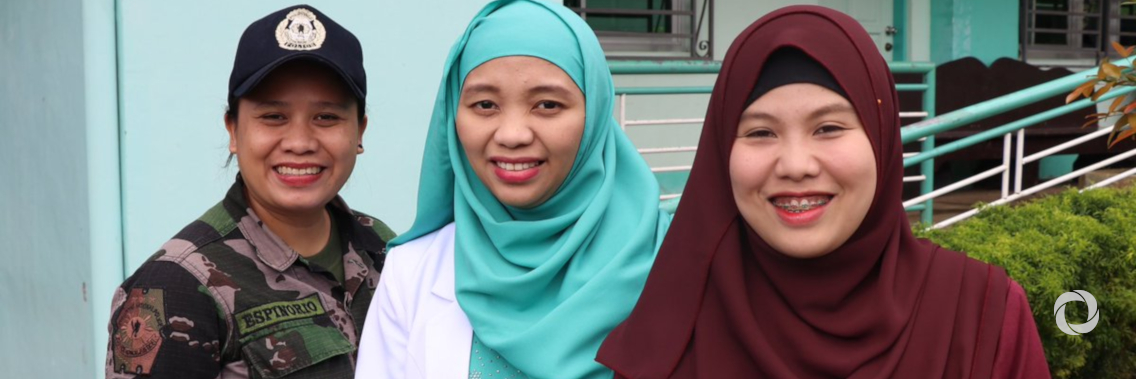
She and Ms. Limbona, a social worker specializing in supporting survivors of gender-based violence, including sexual violence, exploitation, and trafficking work at a UNFPA-supported Women and Children Protection Unit, a facility that helps coordinate the various services survivors require, including medical treatment, psychosocial support and legal assistance.
Police officer Chrestine Espinorio is also a key member of their team. She provides protection and helps survivors access justice.
“I want to be there for women when their rights are being trampled – anytime, including during an emergency,” Officer Espinorio told UNFPA. “I would like to contribute to restoring our fellow women’s and girls’ dignity and hope.”
Ms. Limbona, Officer Espinorio and Dr. Abdulcarim are three of the hundreds of thousands of humanitarians around the world who have dedicated their lives to helping others in the heat of a crisis.
This 19 August is World Humanitarian Day, which commemorates the bravery and sacrifices of humanitarian workers.
This year’s World Humanitarian Day pays special tribute to women humanitarians, who make up nearly half the world’s humanitarian workforce and are at particularly high risk of robbery, sexual assault and other violence.
Original source: UNFPA
Published on 16 August 2019