
Add us as your preferred source on Google to see more of our content in Search.
 Add to Preferred Sources
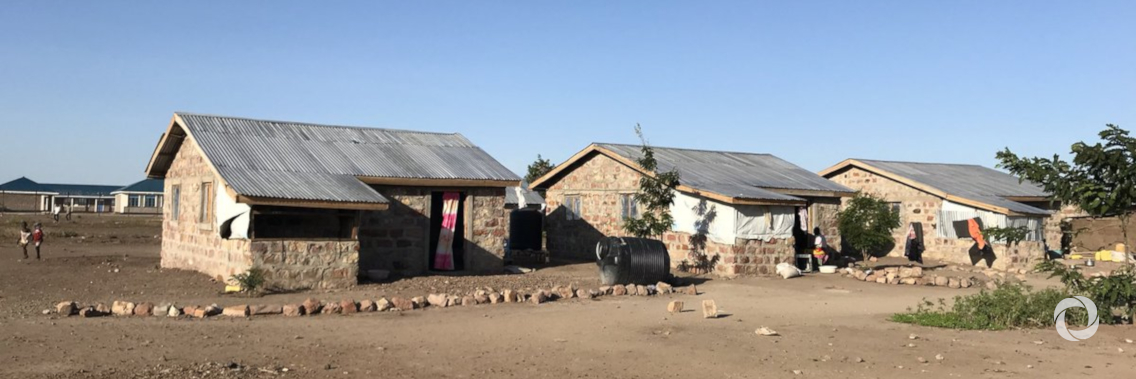
With an ATM card and some guidance from UNHCR, the UN Refugee Agency, refugees have been able to withdraw funds and join more than 1,000 refugees building better and safer housing in the Kalobeyei settlement, according to their needs.
The project had its origins in June 2015 when Kalobeyei was launched to relieve overcrowding in the long-established Kakuma camp next door. Among the new settlement’s principal objectives was to improve the socio-economic conditions of refugees and the local host communities.
Key to this improved assistance has been UNHCR’s innovative cash-based intervention where refugees receive cash on special ATM cards to buy cement, sand, stone blocks and other materials to build houses and latrines.
“We wanted to accord more dignity to the people and give them freedom of choice,” says Moffat Kamau, UNHCR’s Senior Cash-Based Intervention Associate based in Kakuma.
Kamau adds that this strategy is in-line with Kalobeyei’s objective of ensuring socio-economic integration of refugees in the local community while reducing dependency on humanitarian assistance.
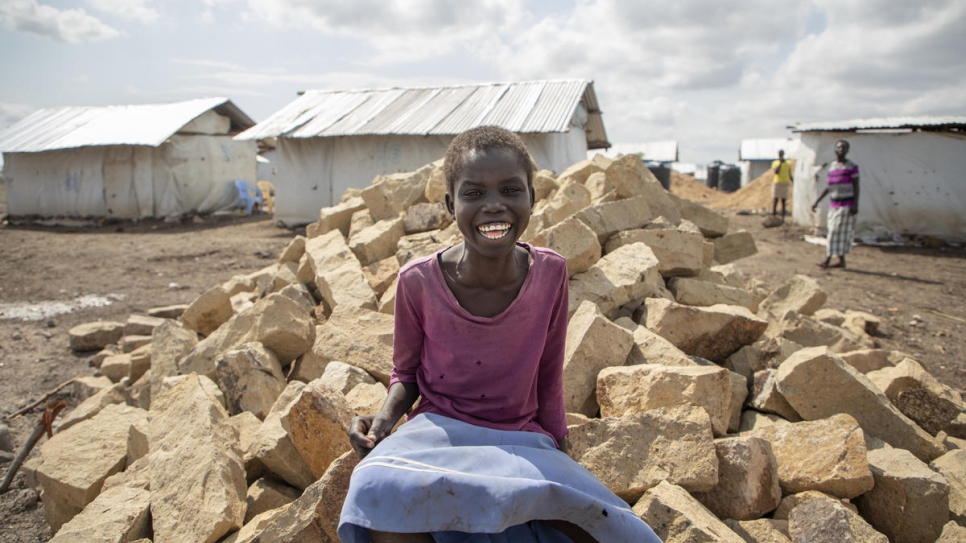
“Refugees have ownership of the construction process and there’s value for money as they can build better houses at lower costs,” he adds.
So far, over 1,000 refugees have been able to build safer and more durable houses through the project, supported by key donor countries including the Government of Japan.
At the Global Refugee Forum to be held this December, countries will explore initiatives and other ways of how to better share and strengthen the international response to refugee situations.
Original source: UNHCR
Published on 27 August 2019