
Add us as your preferred source on Google to see more of our content in Search.
 Add to Preferred Sources
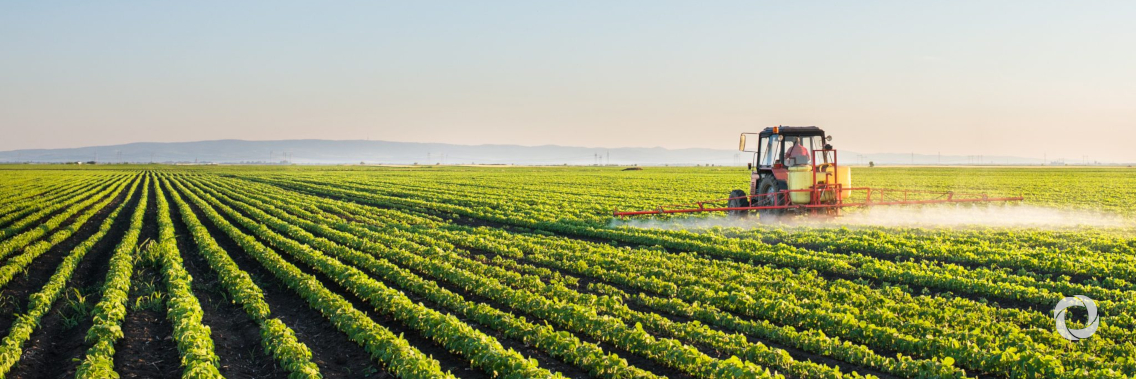
Agriculture is crucial to Africa’s development but needs increased mechanization to boost economic productivity, reduce harvest and post-harvest losses and meet growing demand for food. This is one of the messages that has emerged during the seventh Tokyo International Conference on African Development (TICAD7) held in Yokohama, Japan.
Sub-Saharan Africa has the world’s highest area of uncultivated arable land but productivity lags far behind other developing regions. Yields are only around half of the international average, far below the growth levels needed to keep pace with food demand driven by population growth. Mechanization can dramatically improve the yield gap.
At a TICAD7 side-event hosted by the Coalition for African Rice Development (CARD), a framework for sustainable agricultural mechanization in Africa was presented by the African Union Commission (AUC) and the Food and Agriculture Organization of the United Nations (FAO).
“Through appropriate mechanization, small scale farming can be transformed into a more market-oriented business, improving labour productivity and helping enable farmers to lift themselves out of poverty. To achieve this, we need to enhance access to mechanization services,” FAO Director-General Qu Dongyu said in his speech at the event.
“We need to relieve farmers of hard manual labour, particularly women, who have the double burden of working in the fields as well as caring for their households,” the FAO Director-General added.
The framework, which was launched last year and is gaining traction in the region, aims to help countries replace antiquated tools with modern mechanization methods to achieve food security, agricultural development and overall economic growth.
It sets out priority elements for national mechanization strategies, including learning from other parts of the world where significant transformation of the agricultural sector has already occurred within a three-to-four decade timeframe, and supports the development of policies and programmes to realize Africa’s goals.
Mechanization in the 21st century can provide much-needed support to the entire agricultural value chain. Driven by the private sector, mechanization should be environmentally-competitive, climate-smart, economically viable and affordable, especially to small-scale farmers who constitute the bulk of African farmers. It should also target youth specifically to make agriculture more attractive for employment and entrepreneurship.
Read and download the Sustainable Agricultural Mechanization: A Framework for Africa (SAMA).
Original source: FAO
Published on 30 August 2019